


English


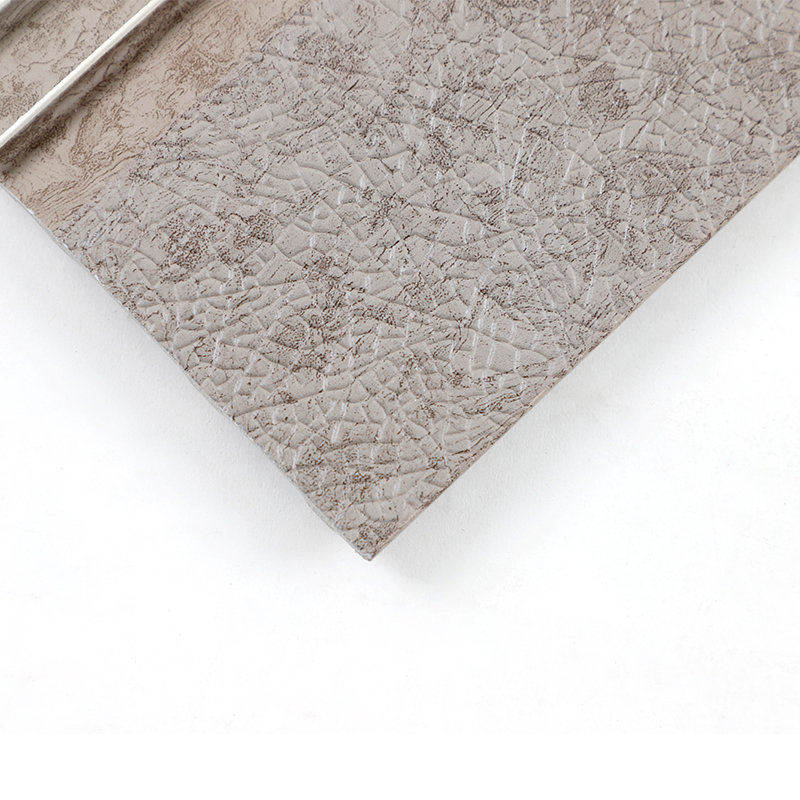


| Color: | |
|---|---|
| Quantity: | |


◇◇ Product Advantages ◇◇
| Brand Name | DEMAX |
| Product Name | PS Wall Panel |
| Material Composition | 95% polystyrene and 5% additive |
| Size | 160X12mm Customizable |
| Color | White, Grey, Black, Wooden, Support Customization |
| Maintenance | Low Maintenance - Easy to Clean with Soap and Water |
| Installation Method | Concealed Fastener System |
| Application scenario | Residential Facades, Commercial Exteriors, Interior decoration, Public Spaces |
| Feature | Eco-Friendly, Moisture-Proof, Anti-Static, Sound-Absorbing, Mould-Proof, Waterproof, Fireproof, Soundproof, Smoke-Proof, Heat Insulation |
| Warranty | 5–10 Years |
| Certifications | SGS,CE,UL,ISO |
Advantages of PS Wall Panel
◇◇ PS Wall Panel Production Process ◇◇

◇◇ PS Wall Panel Installation Process ◇◇
Step 1: Surface Preparation
Begin by ensuring the wall surface is clean, dry, and smooth. Remove any dust, grease, or old adhesive. If needed, patch up any holes or cracks for a uniform base.
Step 2: Measuring and Marking
Measure the height and width of the installation area. Mark reference lines on the wall to ensure the panels are aligned and level during installation.
Step 3: Cutting Panels
Using a utility knife or saw, carefully cut the PS wall panels to the required size based on your measurements. Always wear safety gear when cutting.
Step 4: Applying Adhesive
Apply an even layer of adhesive on the back of each panel using a notched trowel. Make sure the adhesive covers the entire surface for secure bonding.
Step 5: Installing the Panels
Press the first panel firmly against the wall, starting from the bottom or center of the area. Ensure the panel is aligned with your reference marks and is level. Continue applying and installing the remaining panels, ensuring each one fits tightly against the adjacent one.
Step 6: Securing the Panels
For added security, you can use nails or screws along the edges of the panels to hold them in place while the adhesive dries.
Step 7: Finishing Edges
Once the panels are installed, clean off any excess adhesive and trim the edges as needed. You can also add corner trims or molding for a neat, professional finish.
Allow the adhesive to cure fully before using the wall, ensuring the panels are securely in place and the installation is durable.
◇◇ Application scenarios of ps wall panels ◇◇
Residential Applications
Workplace Solutions
Perfect for offices, these panels combine modern looks with sound absorption, helping create quiet, focused working environments with a professional finish.
Commercial Venues
Retail and commercial spaces benefit from durable, low-maintenance PS panels. They retain good looks under heavy use while supporting flexible interior design.
Meeting Environments
Conference and collaborative areas use these panels for better acoustics and clean styling. Their noise-reducing effect supports efficient meetings and clear communication.
Healthcare Settings
Suitable for medical facilities, PS panels offer non-porous, hygienic surfaces that meet strict sanitation requirements and resist moisture in patient areas.
Hospitality Interiors
Hotels and resorts use PS panels to create welcoming lobbies and guest rooms. A wide range of textures and colors matches various interior themes.
Wet Area Applications
With great water resistance, PS panels work well in kitchens and bathrooms as a practical, easy-clean alternative to traditional tiles.
Exhibition Spaces
Lightweight and strong, PS panels are ideal for temporary exhibitions and displays, allowing quick installation and flexible layout changes.
Educational Facilities
Schools and learning centers use these panels to improve acoustics in classrooms and study zones, supporting concentration and a better learning environment.
Public Sanitation Areas
High-traffic public restrooms use stain-resistant PS panels for long-lasting performance and easy cleaning, keeping spaces neat and hygienic.


