


English
Views: 0 Author: Site Editor Publish Time: 2025-09-28 Origin: Site


When it comes to choosing wall cladding materials for your space, the debate between WPC (Wood Plastic Composite) wall panels and solid wood wall panels often arises. While solid wood has long been admired for its natural charm, WPC panels have emerged as a more practical, versatile, and cost-effective solution for modern living and commercial needs. This article will dive into the key differences between the two, focusing on why WPC wall panels outperform solid wood in most scenarios—from durability to sustainability, and beyond just the WPC wall panel price.
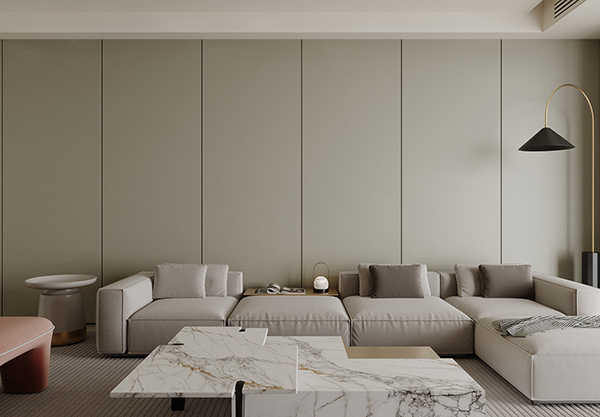
WPC wall panels are engineered composites made by blending natural wood fibers (such as wood flour, sawdust, or wood chips) with high-performance thermoplastics (like polyethylene, polypropylene, or PVC). This combination is processed via extrusion or compression molding, resulting in panels that retain the warm, wood-like appearance people love, while eliminating the inherent flaws of solid wood. To enhance performance further, WPC panels often include additives like UV stabilizers (to resist fading), fire retardants (for safety), and anti-aging agents (to extend lifespan)—features that solid wood simply cannot match without extensive post-treatment.
Solid wood wall panels are crafted from raw timber (e.g., oak, pine, walnut) cut directly from trees. While they showcase authentic wood grain and texture, their composition is entirely natural—meaning they are vulnerable to the elements, pests, and wear that come with unmodified organic materials. Solid wood requires frequent chemical treatments (stains, sealants) to even approach basic durability, and even then, it cannot overcome its inherent weaknesses, such as susceptibility to moisture and warping.
One of WPC’s most significant advantages is its exceptional durability—far exceeding that of solid wood.
Moisture Resistance: WPC’s plastic component forms an impermeable barrier against water, making it impervious to swelling, rot, or mold growth. Unlike solid wood, which absorbs moisture easily (leading to warping or decay in humid areas), WPC remains stable even in damp conditions.
Pest & Decay Resistance: Solid wood is a prime target for termites, beetles, and fungi, but WPC’s composite structure is unappealing to pests and resistant to microbial decay. No more costly treatments to protect against infestations.
Wear & Tear Tolerance: WPC panels resist scratches, dents, and impact better than solid wood. In high-traffic areas, WPC maintains its appearance for 15–25 years with minimal upkeep—while solid wood would show signs of damage within just a few years without constant refinishing.
Solid wood’s natural composition is its biggest downfall in terms of durability:
Moisture Sensitivity: Even with sealants, solid wood absorbs moisture over time. A single spill or humid environment can cause it to warp, crack, or develop mold—requiring expensive repairs or replacement.
Pest Risk: Without regular pesticide treatments, solid wood is at risk of termite or beetle damage. Once infested, the panels often need to be fully removed, unlike WPC which remains pest-free.
High Maintenance Demand: To keep solid wood looking presentable, it needs annual sanding, staining, and sealing. Skip a year, and you’ll notice fading, scratches, or discoloration—adding ongoing time and cost burdens.
When evaluating cost, WPC panels outshine solid wood in every category:
Upfront Cost: WPC wall panels typically range from $5–$15 per square foot, depending on thickness and design. Solid wood, by contrast, starts at $8–$20 per square foot for softwoods and jumps to $15–$40+ per square foot for hardwoods—a 30–100% higher initial investment.
Installation Cost: WPC’s lightweight design (50–70% lighter than solid wood) slashes labor costs. Professional installation averages $2–$5 per square foot, and many DIY enthusiasts can handle it themselves. Solid wood requires heavy lifting and precise, skilled installation (often $5–$10 per square foot) to avoid damage, pushing total upfront costs even higher.
Long-Term Maintenance Cost: WPC’s “set-it-and-forget-it” nature means zero ongoing costs. No need to buy stains, sealants, or hire refinishers. Solid wood, on the other hand, costs $1–$3 per square foot annually for maintenance—adding up to $600–$1,800 over 10 years for a 200-square-foot wall.
While solid wood may seem like a “premium” choice, its high maintenance costs erode any perceived value. Over a 15-year lifespan, the total cost of solid wood (initial + installation + maintenance) can be 2–3 times that of WPC—with no guarantee of avoiding damage from moisture or pests.
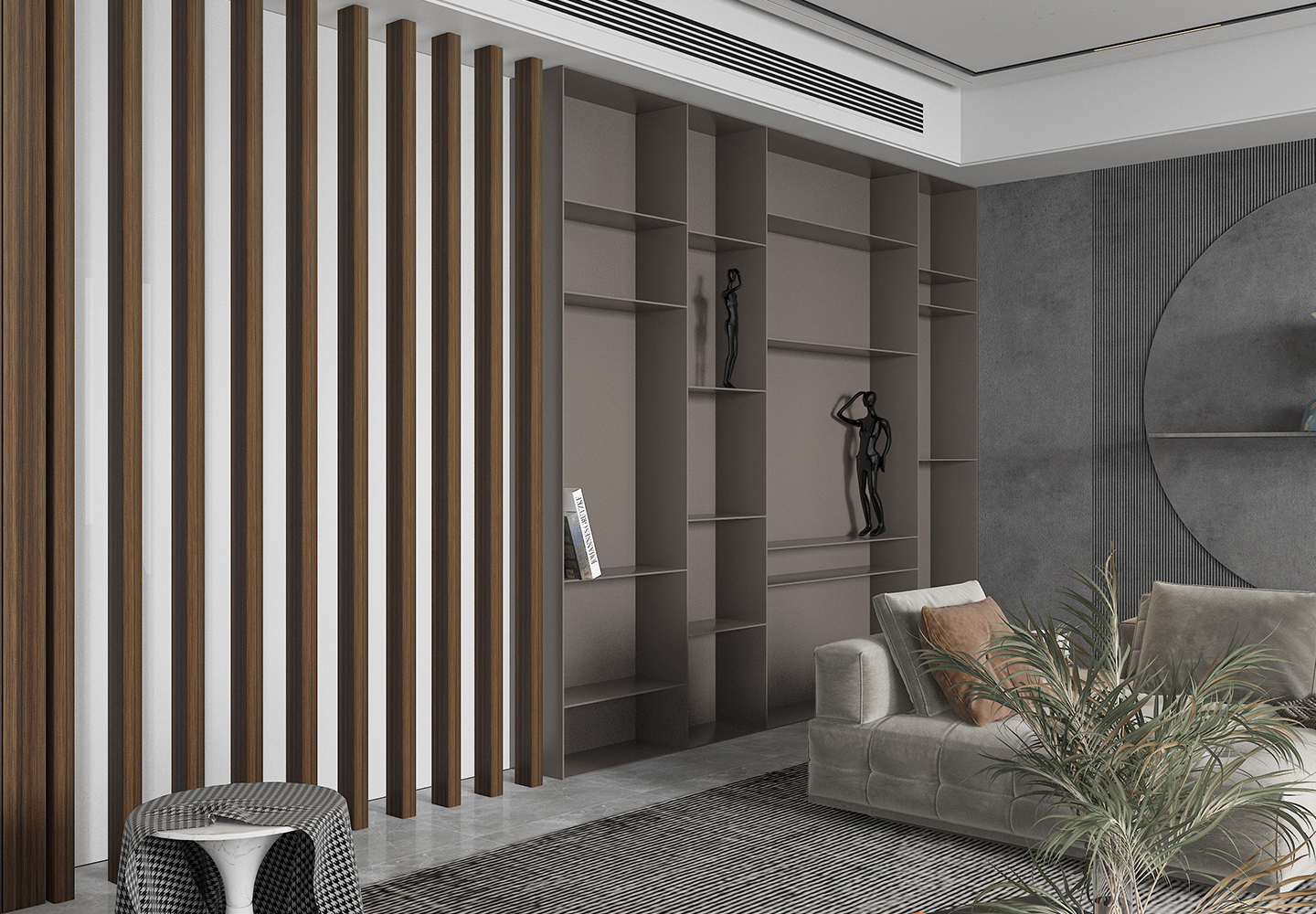
WPC’s design is engineered for ease of installation, making it ideal for both professionals and DIYers:
Lightweight & Easy to Handle: Unlike heavy solid wood planks, WPC panels are lightweight enough for one person to maneuver—reducing installation time and physical strain.
Interlocking Designs: Most WPC panels feature tongue-and-groove or click-lock edges, allowing for seamless, gap-free assembly. No need for complex measuring or specialized tools; basic equipment (a saw, drill, and level) is all you need.
Versatile Surface Compatibility: WPC can be installed over drywall, plywood, or even existing tiles (with proper prep), eliminating the need for costly wall reconstruction. A standard 10x12-foot room can be finished in 1–2 days with WPC.
Solid wood installation is a job for experts—here’s why:
Heavy & Unwieldy: Solid wood planks are dense and heavy, increasing the risk of injury during transport and installation. Missteps can lead to cracked or damaged panels, wasting time and money.
Precision Requirements: Solid wood expands and contracts with temperature and humidity changes, so installers must leave exact gaps (often 1/4–1/2 inch) and ensure perfect alignment. Even small errors result in unsightly gaps or warped panels later.
Surface Prep Demands: Solid wood requires a perfectly flat, dry, and reinforced wall. Uneven surfaces or moisture issues mean additional work—like installing furring strips or vapor barriers—adding days to the project.
Contrary to the misconception that “natural = eco-friendly,” WPC panels are far more sustainable than solid wood:
Waste Reduction: WPC uses recycled wood fibers (from sawmills or construction waste) and recycled plastics (from bottles, packaging, etc.), diverting thousands of tons of material from landfills each year. Solid wood requires harvesting live trees—even “sustainable” logging contributes to deforestation and habitat loss.
Lower Carbon Footprint: The production of WPC uses less energy than processing solid wood (which involves logging, transportation of heavy timber, and chemical treatments). Additionally, WPC’s long lifespan means fewer replacements, reducing overall carbon emissions over time.
End-of-Life Options: While WPC is not fully biodegradable, many manufacturers now offer recycling programs for old panels, turning them into new WPC products. Solid wood, if not repurposed, often ends up in landfills where it decomposes slowly, releasing methane (a potent greenhouse gas).
Even with FSC (Forest Stewardship Council) certification, solid wood has a larger environmental impact:
Deforestation Risks: FSC certification does not eliminate logging—only regulates it. Demand for solid wood continues to drive deforestation in vulnerable regions, disrupting ecosystems.
Chemical Use: Solid wood requires stains, sealants, and pesticides to be usable—many of these chemicals leach into soil or water, harming the environment. WPC, by contrast, is pre-treated with non-toxic additives during manufacturing.
WPC panels offer the best of both worlds—they mimic the warm, natural look of solid wood while avoiding its inconsistencies:
Uniform Appearance: WPC’s manufacturing process ensures consistent grain patterns and colors across all panels. Unlike solid wood, which has random knots, splits, or color variations (that can ruin a cohesive design), WPC creates a smooth, polished look for any space.
Wide Design Range: WPC comes in hundreds of wood-like finishes (from oak and walnut to reclaimed wood) and even non-wood textures (like stone or tile). Whether you want a modern minimalist vibe or a rustic aesthetic, WPC has options to match—without the limitations of solid wood’s natural color palette.
No Fading or Discoloration: WPC’s UV stabilizers prevent fading from sunlight, so panels in sunrooms or near windows stay vibrant for years. Solid wood, by contrast, fades quickly in direct light—requiring frequent staining to restore its color.
Solid wood’s “unique” appearance often becomes a drawback:
Unpredictable Variations: A single panel with a large knot or dark streak can disrupt the entire design of a wall. This means you may need to buy extra panels (20–30% more) to find matching pieces—adding to costs.
Fading & Wear: Even with care, solid wood fades, scratches, and dents easily. A single scratch from furniture or a pet can ruin the look, and refinishing requires sanding down the entire surface—risking thinning the wood over time.
Prep the Surface: Ensure walls are clean, dry, and level. Fill small cracks with spackle—uneven surfaces can affect the interlock, but WPC is more forgiving than solid wood.
Leave Expansion Gaps: WPC expands slightly in heat, so leave a 3–5mm gap at walls, corners, and ceilings. This prevents buckling, a common issue with solid wood that lacks proper gaps.
Choose the Right Finish: For high-moisture areas (like laundry rooms), opt for WPC with a smooth, glossy finish (easier to clean). For living rooms, a matte wood-grain finish adds warmth.
Daily Cleaning: Wipe with a damp cloth—no harsh chemicals needed. Unlike solid wood, WPC resists stains from coffee, juice, or dirt.
Long-Term Care: Inspect for loose panels yearly (tighten screws if needed). No staining, sealing, or refinishing—saving hours of work compared to solid wood.
While solid wood may hold nostalgic appeal, WPC wall panels offer undeniable advantages that make them the better option for most homeowners and businesses:
Unbeatable Durability: Resists moisture, pests, and wear—outlasting solid wood by years.
Lower Total Cost: Cheaper upfront, easier to install, and zero maintenance fees.
Eco-Friendly: Uses recycled materials, reduces deforestation, and has a smaller carbon footprint.
Versatile & Beautiful: Delivers consistent wood-like aesthetics for any space, from bedrooms to commercial lobbies.
Whether you’re renovating a family home, designing a retail store, or upgrading a hotel lobby, WPC wall panels provide the perfect balance of function, beauty, and value—something solid wood simply cannot match in today’s fast-paced, low-maintenance world.
Q: Is the WPC wall panel price really lower than solid wood?
A: Yes—WPC panels average $5–$15 per square foot, while solid wood starts at $8–$20 per square foot (and goes much higher for hardwoods). When you add installation and maintenance costs, WPC is 30–50% cheaper over 10 years.
Q: Can WPC panels look as “natural” as solid wood?
A: Absolutely. Modern WPC manufacturing mimics wood grain, texture, and color with incredible precision. While it lacks random knots (a flaw for many designers), it delivers a consistent, polished wood-like look that solid wood often can’t match.
Q: Is WPC more durable than solid wood in humid areas?
A: Far more. WPC is moisture-resistant and won’t warp or rot, while solid wood will degrade quickly in humidity—even with sealants. WPC is the only practical choice for laundry rooms, covered patios, or sunrooms.
Q: Is WPC easier to install than solid wood for DIY projects?
A: Yes. WPC’s lightweight design, interlocking edges, and forgiving nature make it perfect for DIYers. Solid wood requires professional skills to avoid damage, but WPC can be installed in a weekend with basic tools.


