



English
Views: 0 Author: Site Editor Publish Time: 2026-10-24 Origin: Site


Why are lightweight PU stone panels becoming popular in modern interiors? They offer realistic textures without the weight of traditional stone. A PU Stone Panel can simplify handling and expand design options. Discover its benefits, applications, and key selection tips.
Traditional stone is valued for its natural appearance, but its weight can create practical challenges. Transporting large pieces requires suitable handling arrangements. Cutting and positioning heavy materials may also need specialized tools, additional labor, and careful coordination. In renovation projects, the existing wall may require assessment before heavier finishes can be installed.
Lightweight PU stone panels offer a different approach. They use polyurethane-based material formed into decorative profiles that imitate selected stone surfaces. The resulting panels are generally easier to handle than comparable natural stone pieces. This can simplify movement through narrow corridors, stairwells, and occupied buildings. It may also reduce the physical effort required during installation.
The actual weight varies by product, panel dimensions, density, and molded design. Buyers should therefore request product specifications rather than assume all PU panels are equally light. They should also confirm whether the existing substrate can support the complete installed system, including adhesives, fixings, and any supporting components.
Weight reduction does not automatically guarantee lower project costs. Labor, wall preparation, finishing details, transportation, and installation methods still influence the final budget. However, reduced handling demands may offer practical advantages when the product suits the project. Contractors should compare the full installation process before deciding between PU panels and traditional stone.
Tip: Request the panel's weight per unit and installation requirements. Use these figures to assess handling, wall compatibility, and labor planning.
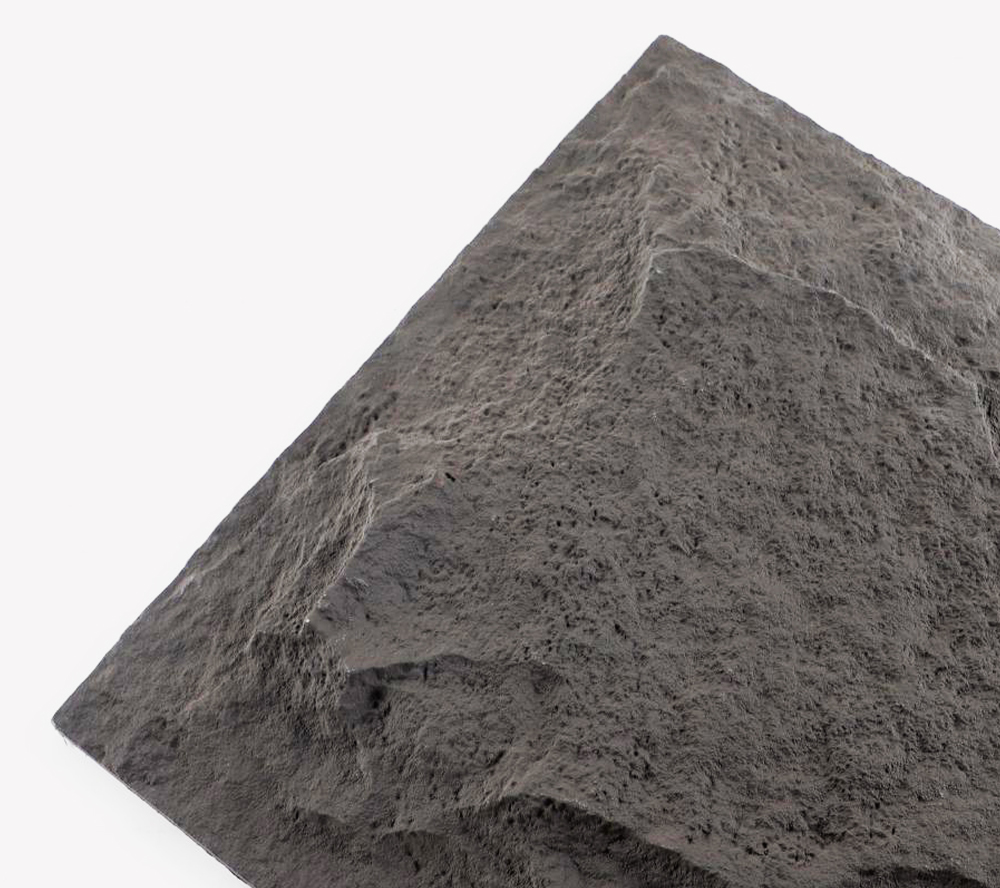
PU stone panels can reproduce the irregular patterns and surface depth associated with stone-inspired decoration. Molding allows manufacturers to create raised textures, layered contours, and decorative edges. Depending on the design, panels may resemble rugged stone, carved surfaces, or more contemporary architectural finishes.
This approach gives designers more control over the final appearance. Natural stone varies in color, grain, and surface structure. Molded panels instead offer defined patterns and repeatable designs, although color and texture can still vary between products and production batches. This consistency can help when several walls or rooms need a coordinated finish.
The quality of the visual effect depends on more than the printed color. Surface relief, edge details, lighting, and installation joints all contribute to the result. Strong directional lighting may emphasize raised features, while softer lighting can create a more subtle effect. Buyers should examine physical samples under realistic conditions before approving a design for a large wall.
PU panels are also available in decorative formats beyond conventional stone patterns. Feather-inspired textures, geometric shapes, and wave-like profiles can create a distinctive feature wall. Demax Group offers an elegant PU feather stone wall panel that buyers can review when exploring lightweight decorative designs. Its actual dimensions, finish, and technical properties should be confirmed before specification.
Note: A stone-like appearance does not mean the panel has the strength, heat resistance, or weathering properties of natural stone. Evaluate the product for its intended application.
Renovation projects often involve constraints that new construction does not. Existing walls may have uneven surfaces, limited access, or finished elements that cannot easily be removed. Deliveries may also need to pass through occupied areas. Lightweight decorative panels can help simplify material handling in these situations, provided the installation system suits the building.
Smaller handling demands may make it easier for installers to move panels into upper floors or confined rooms. Some designs can also be cut and positioned using less demanding equipment than traditional stone products. Nevertheless, installation time depends on the panel format, substrate condition, adhesive or fixing system, and finishing details. Contractors should review these factors before estimating labor savings.
Existing surfaces still require inspection. Loose paint, moisture damage, uneven plaster, and weak substrates can compromise adhesion or alignment. The wall may need repair before installation begins. Where the project has special fire or building-code requirements, buyers must also confirm that the proposed panels and mounting materials are approved for the location.
Planning should include corners, openings, sockets, transitions, and panel joints. A lightweight material can still produce a poor finish when these details are overlooked. A sample installation allows the team to check cutting quality, joint visibility, and surface alignment before proceeding across a larger area.
Tip: Use a site inspection and sample installation to confirm wall readiness. Do not assume that lightweight panels can be attached directly to every existing surface.
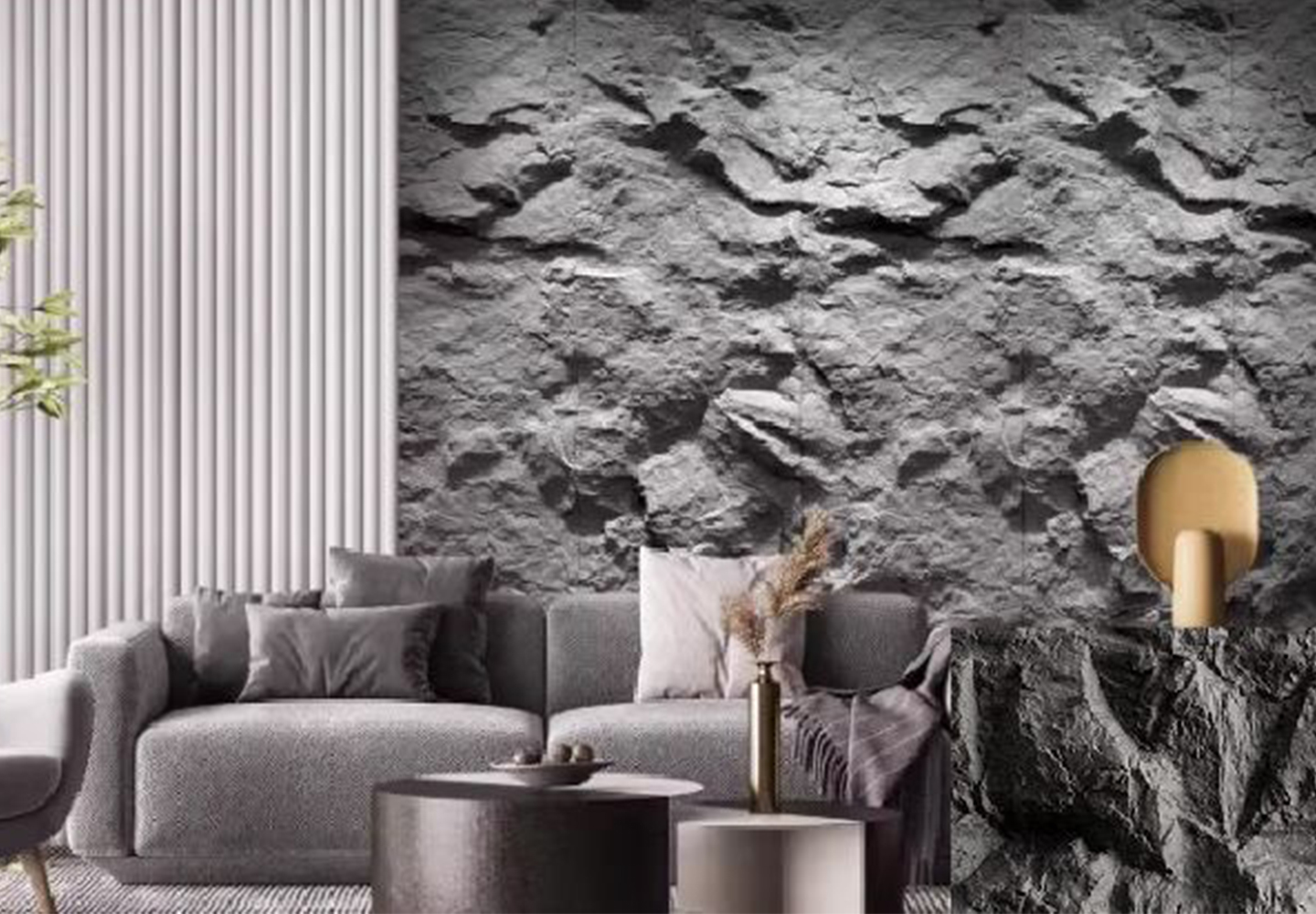
Interior decoration increasingly uses wall surfaces to establish a room's character. Flat paint and simple wallpaper remain useful, but some projects need more texture and visual depth. Three-dimensional PU stone panels introduce raised surfaces that interact with lighting and create shadows. This can make a feature wall more noticeable without requiring heavy masonry or natural stone cladding.
Geometric panels suit contemporary interiors that favor clear lines and structured patterns. Wave-shaped profiles create softer visual movement, while irregular stone textures provide a more rugged effect. The right option depends on the room's proportions, furniture, lighting, and intended atmosphere. A dramatic panel may work well behind a reception desk, but a subtle texture may be more appropriate for a compact office.
Designers should plan the entire wall rather than focus on one panel. Repeated patterns need careful alignment, especially around doors, windows, and built-in furniture. Poorly placed joints can interrupt the design and make the surface look uneven. A layout drawing helps installers determine panel direction, starting points, and cutting positions before work begins.
Demax Group offers 3D geometry PU stone wall panels for modern interiors for projects seeking a more dimensional decorative finish. Buyers should review the product's profile, dimensions, and installation instructions to determine whether it suits the intended wall.
Tip: Use sample panels to evaluate the pattern at different viewing distances. Strong textures can look different across a complete wall than they do in close-up photographs.
A PU stone panel can support several interior styles depending on its color, texture, and profile. Stone-inspired finishes may complement rustic interiors, while smooth or geometric patterns can suit contemporary spaces. Neutral shades often work well with wood, metal, glass, and simple furniture. Darker finishes can create contrast, especially when used on a selected feature wall.
Color selection should reflect the room's lighting and dimensions. Dark panels may create a dramatic focal point, but they can make a small room feel visually heavier when used extensively. Lighter finishes can create a softer effect and coordinate with brighter interiors. Natural and artificial lighting may also change how the panel's texture appears throughout the day.
Designers should compare samples with the actual flooring, furniture, and adjacent wall finishes. Digital images can help narrow the options, but screen colors do not always match the delivered product. For large projects, request confirmation of the selected color and finish in writing. If multiple production batches are expected, clarify the supplier's approach to color consistency.
The visual design should also support the function of the room. A hotel reception may need a distinctive focal point, while a retail store may require a wall finish that supports merchandise displays. Offices may benefit from restrained textures that complement corporate branding. In each case, the panel should contribute to the interior rather than compete with other design elements.
Note: Approve the physical sample before ordering the full quantity. Record its product code, finish, and dimensions to reduce the risk of unwanted substitutions.
Not every interior needs a realistic imitation of rough stone. Wave and feather-inspired PU panels offer alternative ways to add depth and movement to a wall. These profiles can work well in bedrooms, lounges, hospitality interiors, reception areas, and selected retail displays. Their visual effect depends on the spacing, depth, color, and direction of the molded pattern.
Wave-shaped panels create flowing lines that can soften an interior dominated by straight edges. Feather-inspired textures introduce repeated contours that may look different under changing light. These designs can become focal points without requiring several separate decorative materials. However, strong patterns should be balanced with simpler surfaces elsewhere in the room.
Lighting deserves particular attention. Side lighting can emphasize raised sections and create stronger shadows. Front lighting may produce a more even appearance. Designers should test the intended lighting arrangement with a sample before confirming the final layout. This is particularly important for walls behind reception counters, beds, or display units, where the surface will remain highly visible.
Installation quality also affects the result. Pattern alignment, edge finishing, and corner details should be included in the design plan. Installers need clear instructions on cutting, fixing, and joining the panels. A consistent layout helps maintain the intended pattern across the wall and reduces unnecessary material waste.
Demax Group's PU wave stone wall panel is one option for projects that need a flowing decorative profile. Confirm its finish, dimensions, and installation requirements before selecting it for a specific space.
Tip: Use dimensional panels selectively where they can create a clear visual focus. This helps control material costs while preserving the intended design impact.
Commercial renovations often operate under tight schedules. Offices may need to remain accessible, hotels may have limited closure periods, and retail stores may need to reopen quickly. Lightweight PU panels can make material handling easier than moving comparable heavy stone pieces. This may simplify delivery, movement between floors, and positioning during installation.
The actual time savings depend on the project. Wall preparation, panel dimensions, cutting requirements, adhesive curing, and finishing can all affect productivity. A lightweight panel does not eliminate these tasks. Contractors should compare the complete installation process rather than assume that lower material weight guarantees a shorter schedule.
Access conditions can also influence the decision. Narrow staircases, elevators, and restricted delivery areas may complicate the movement of bulky materials. Before ordering, check the panel dimensions, packaging, storage requirements, and available handling space. Confirm that panels can be moved safely without damaging their decorative surfaces.
For large projects, installation planning should coordinate deliveries with site readiness. Panels should arrive when the relevant walls are prepared, but not so early that they occupy limited storage areas or face unnecessary handling. A sample installation can help establish realistic labor requirements and identify potential problems before full production begins.
Tip: Ask contractors to estimate handling, preparation, installation, and finishing separately. This provides a clearer basis for comparing PU panels with alternative wall materials.
Material weight can affect transportation, handling equipment, and installation labor. Lightweight PU panels may reduce some of these demands compared with heavier decorative materials. However, the overall cost advantage depends on product price, shipment volume, wall preparation, fixing materials, and the contractor's installation method.
A fair comparison should consider the cost per finished square meter. Include panels, adhesives or fasteners, supporting materials, cutting waste, trims, labor, transport, and any necessary surface preparation. A lower unit price does not necessarily produce a lower installed cost. Similarly, a higher-priced panel may offer no additional value if its features are unnecessary for the project.
Project layout can also influence expenses. Walls with many openings, corners, or irregular dimensions may generate more cutting waste. Complex profiles may require additional alignment and finishing. Standard panel sizes can simplify planning in some cases, while customized shapes may be useful for distinctive designs. Buyers should request a measured layout and a clear quotation before placing an order.
Long-term costs also deserve attention. Consider cleaning requirements, repair procedures, replacement availability, and warranty conditions. Ask whether individual panels can be replaced without removing large sections. For customized finishes, confirm whether matching products may be available for future repairs.
Note: Treat labor savings and cost reductions as estimates until verified by a project-specific quotation. Do not assume that every lightweight panel will be cheaper to install.
A lightweight panel may be practical for a decorative feature wall, but that does not mean it suits every location. Interior projects have different exposure conditions and compliance requirements. Living rooms, offices, hotels, and retail interiors may need different levels of surface durability, cleaning resistance, and fire performance. Buyers should evaluate the intended use before focusing on the panel's weight.
Areas exposed to moisture require particular care. Confirm whether the selected panel is approved for the expected humidity and cleaning conditions. Do not assume that a decorative PU panel is suitable for direct water exposure simply because it is lightweight or easy to install. The substrate, joints, adhesives, and surrounding construction may also need protection.
Fire safety is another essential consideration in commercial buildings. Request relevant test reports and confirm that the exact panel and installation system meet applicable local requirements. Marketing descriptions should not replace product-specific evidence. Where necessary, ask the architect or qualified compliance professional to review the documentation before approval.
Buyers should also confirm whether the product is intended for interior or exterior use. A panel designed for indoor decoration should not automatically be specified for outdoor exposure. Temperature changes, sunlight, moisture, and other environmental factors can affect material performance. The manufacturer's approved applications should guide the decision.
Tip: Create a product approval checklist covering location, moisture exposure, fire requirements, substrate compatibility, maintenance, and documented performance before purchasing.
Product descriptions can help buyers identify suitable styles, but technical documents are necessary for final approval. Request panel dimensions, weight, material information, installation instructions, and relevant performance reports. Confirm that the documents apply to the exact product being quoted. Different models from the same supplier may use different constructions and finishes.
Surface quality should also be checked. Inspect samples for consistent coloring, clean edges, visible defects, and a finish that matches the approved design. If the project requires several panels to form a continuous pattern, compare multiple pieces together. This can reveal differences that a single sample may not show.
Ask for guidance on cutting and fixing. The correct tools, adhesive, substrate preparation, and fastening method depend on the product. Improper installation may cause gaps, loose panels, or damaged edges. Clear instructions help contractors avoid preventable mistakes and make it easier to estimate installation time.
Where commercial regulations apply, request the relevant fire performance and indoor environmental documents. Confirm the required standards with the project team. Do not assume that a product meets a requirement simply because its description includes terms such as eco-friendly or durable.
Note: Keep technical approval separate from visual approval. A panel must meet both the design brief and the project's documented performance requirements.
Samples allow buyers to assess the actual texture, color, and surface depth before placing a bulk order. They are especially useful when a PU stone panel will cover a large wall or become a prominent design feature. Review samples under the project's lighting and compare them with flooring, furniture, and other wall materials.
For customized projects, confirm available colors, dimensions, patterns, and order quantities. Ask whether customization affects production time or cost. Record the approved finish and product reference in the purchasing documents. This reduces the risk of confusion between similar designs or unexpected substitutions during production.
Batch consistency is important when a project includes several rooms or phased deliveries. Ask how the supplier controls color variation and dimensional accuracy. Confirm whether replacement panels can be ordered later and whether the same finish is expected to remain available. For distinctive designs, retaining spare panels may help simplify future repairs.
Packaging and delivery should also be discussed. Decorative surfaces can be damaged during transportation or handling. Confirm how panels are protected, how goods are inspected on arrival, and how damaged items are reported. A clear process can reduce disputes and prevent installation delays.
Tip: Approve the sample and written specification together. Use both as references when checking incoming deliveries.
Supplier support matters when a decorative panel requires specific installation details or customized production. Buyers should confirm the available technical guidance, production lead time, packaging arrangements, and after-sales process. These factors can affect project planning as much as the product's appearance.
Before ordering, provide the supplier with accurate measurements and information about the intended application. Ask whether the proposed panel suits the substrate and environmental conditions. Confirm which adhesives, fasteners, trims, and accessories are required. Where the wall design is complex, request a layout review or arrange a sample installation.
The purchase agreement should clearly identify the product, quantity, dimensions, finish, delivery terms, inspection requirements, and defect-resolution procedure. Warranty conditions should also be reviewed, including exclusions related to incorrect installation or unsuitable maintenance. Written details help the buyer, supplier, and installer work from the same expectations.
Demax Group offers decorative PU wall panel options for interior design projects. Buyers can explore products such as feather, wave, and geometric profiles, then request product-specific details before selecting a solution. The final choice should be based on verified specifications and the needs of the installation site.
Tip: Confirm delivery timing and installation readiness before releasing the full order. This helps reduce storage issues, material damage, and schedule disruption.
A realistic stone texture can make a wall more distinctive, but appearance alone cannot establish product suitability. Buyers should check material specifications, installation requirements, fire documentation, and maintenance guidance. These checks are particularly important for commercial projects, where building regulations and operational demands may be more complex.
Do not assume that every PU stone panel has the same strength, surface quality, or environmental performance. Different products may use different formulations and molded structures. Request documentation for the specific model and confirm whether it is approved for the intended application.
Reduced weight can make handling easier, but the substrate still needs to support the installed system. Weak surfaces, moisture damage, and unsuitable adhesives can compromise installation. Inspect the wall and follow the manufacturer's fixing instructions before work begins.
Also distinguish interior panels from products designed for outdoor exposure. Temperature changes, moisture, and sunlight may affect products differently. Confirm the approved application instead of relying on the material name or appearance.
Poor layout planning can lead to awkward joints, excessive cutting waste, and inconsistent patterns. Measure the wall carefully and coordinate corners, openings, sockets, and furniture before installation. For dimensional designs, approve the panel arrangement in advance.
Maintenance and replacement also deserve attention. Check cleaning instructions, warranty conditions, and the availability of matching panels. Keep the approved sample and product reference for future repairs. These steps help protect the finished appearance and reduce avoidable costs over the project's service life.
Note: The best purchasing decision combines visual approval, technical verification, installation planning, and a realistic cost assessment.
Lightweight PU stone panels offer realistic textures, easier handling, and flexible design options. Demax Group provides decorative PU panels in geometric, wave, and feather styles. Verify specifications and installation requirements to ensure lasting value.
A: They offer stone-inspired textures with easier handling and flexible decorative options.
A: Yes. Geometric, feather, and wave profiles can complement residential and commercial designs.
A: Their lower weight can simplify handling, but installation time depends on wall preparation and fixing methods.
A: Performance varies by product. Verify moisture suitability and fire test reports before purchase.
A: Compare samples, specifications, installation requirements, maintenance needs, and total project costs.


