


English
Views: 0 Author: Site Editor Publish Time: 2026-06-23 Origin: Site


Achieving a high-end, textured look in interior spaces used to mean heavy structural loads and complex installations. Designers and homeowners consistently face this challenge when trying to elevate room aesthetics. Natural wood and stone look beautiful, but their heavy weight and installation difficulties pose significant barriers. Today, we see a rapid market shift toward composite and synthetic alternatives. These modern materials offer practical solutions without sacrificing visual appeal. In this article, we provide a transparent, unbiased evaluation of the PS wall panel. We aim to help you determine if it meets your specific durability, aesthetic, and budget requirements. You will learn about its composition, functional strengths, structural limits, and ideal applications. By understanding these vital factors, you can make informed decisions for your next design project.
Material: PS (Polystyrene) offers a high-density, ultra-lightweight alternative to traditional wood and MDF.
Aesthetics: Excels in delivering realistic 3D textures and wood-grain finishes at a fraction of the cost.
Ideal Use Cases: Best suited for low-impact residential accent walls, ceilings, and commercial focal points.
Primary Limitations: Not suitable for high-heat environments or high-traffic commercial zones prone to heavy physical impact.
Understanding the core material is the first step in evaluating any building product. "PS" stands for Polystyrene. In the context of architectural molding and paneling, manufacturers use High-Density Polystyrene (HDPS). This specific formulation drastically changes the material properties. It removes the fragile, brittle nature we usually associate with everyday foam packaging. Instead, HDPS delivers a dense, highly stable substrate. It holds intricate shapes exceptionally well.
The interior design industry has witnessed a massive evolution in manufacturing. A few decades ago, polystyrene served mostly as a basic industrial raw material or concealed insulation. Advancements in extrusion technology changed everything. Manufacturers learned how to compress and mold this synthetic polymer into rigid, decorative shapes. Today, it stands as a mainstream solution for modern interior decoration. You can find it in luxury homes, boutique hotels, and contemporary office spaces.
A typical PS Wall Panel features a distinct dual-layer composition. The center contains a compressed, high-density foam core. This core provides volume and shape without adding excess mass. A highly durable, photo-realistic protective surface film wraps around this core. This outer layer dictates the final color, texture, and sheen. Together, these layers create an incredible weight-to-rigidity ratio. You get a product mimicking thick timber panels but weighing just a fraction of real wood.
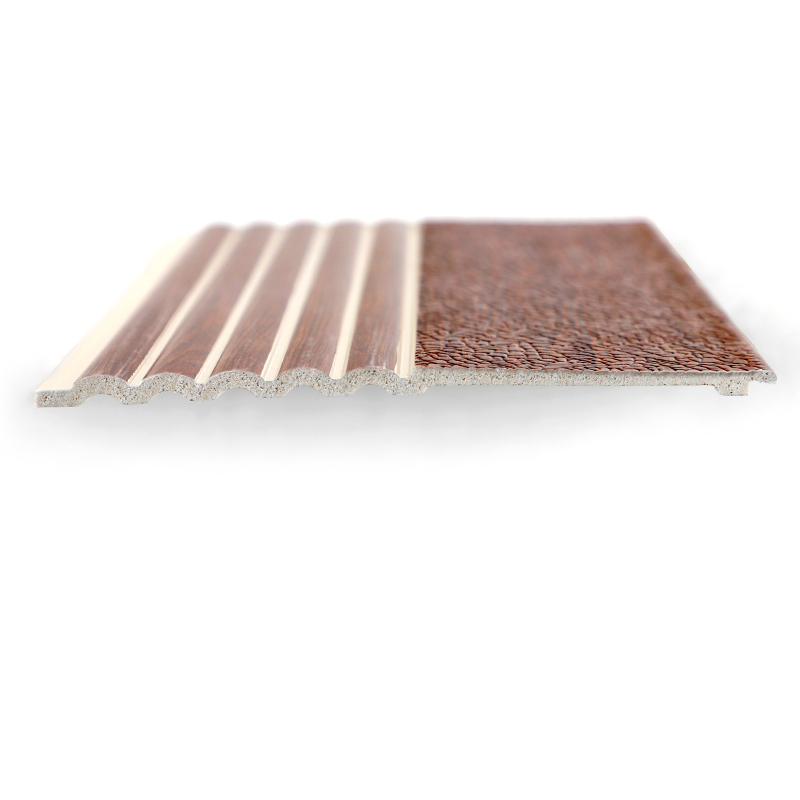
We must evaluate decorative materials objectively. We need to look closely at how specific features translate into real-world outcomes. Here is a transparent breakdown of where HDPS excels and where it falls short.
Modern extrusion processes operate with microscopic precision. This technology allows factories to press deep 3D fluting into the material. The resulting grooves and ridges look sharp and intentionally crafted. You will notice seamless wood and stone finishes mimicking natural materials perfectly. The surface films capture the subtle grain variations of oak, walnut, and marble.
This aesthetic versatility offers immense design freedom. You achieve a premium, architectural look without the associated maintenance. Natural wood requires periodic staining, oiling, and sealing. Stone requires heavy-duty brackets and specialized masonry skills. Polystyrene delivers these high-end textures ready out of the box. The visual impact remains consistent over years of typical indoor use.
Moisture resistance stands out as a primary functional advantage. High-density polystyrene is 100% waterproof. Unlike medium-density fiberboard (MDF) or natural wood, it will not absorb ambient humidity. This makes it an exceptionally safe choice for basements or moderately damp climates.
Logistically, the lightweight profile changes the entire installation dynamic. Heavy materials increase shipping costs and require multi-person handling teams. Polystyrene panels bypass these hurdles completely. You save money on freight. Furthermore, a solo installer can easily lift, cut, and mount these panels. This lightweight nature drastically reduces on-site fatigue. It speeds up project timelines considerably.
We must establish trustworthy expectations. While HDPS is rigid, it is not indestructible. These panels are susceptible to sharp impacts. Denser materials like solid wood or high-pressure laminates withstand hard blows better. If a heavy metal cart crashes into a polystyrene panel, it will likely dent or scratch. You must consider traffic levels when specifying this material.
Thermal sensitivity represents another critical limitation. You cannot use this material in high-heat environments. We strongly advise against installing them near fireplaces, industrial stoves, or direct heat sources. Furthermore, prolonged exposure to intense, direct UV rays can eventually degrade the surface film. They perform best in climate-controlled indoor spaces.
Selecting the right Interior Decorative Wall Panel requires careful comparison. The market offers several synthetic and composite options. Each material serves different structural and budgetary needs. Let us compare polystyrene against its closest competitors.
| Material Type | Weight Profile | Moisture Resistance | Impact Durability | Best Application |
|---|---|---|---|---|
| PS (Polystyrene) | Ultra-light | Excellent (100% Waterproof) | Low to Moderate | Accent walls, ceilings |
| PVC (Polyvinyl Chloride) | Light to Medium | Excellent (100% Waterproof) | Moderate | Wet areas, curved surfaces |
| WPC (Wood Plastic Composite) | Heavy | High | High | High-traffic areas, wainscoting |
| MDF (Fiberboard) | Heavy | Poor (Prone to swelling) | Moderate | Painted custom millwork |
When comparing rigidity, polystyrene generally outperforms standard PVC. It holds sharper 3D shapes and deeper fluted profiles. PVC is often more flexible. This flexibility helps for subtly curved walls, but it can look slightly more "plastic" under harsh lighting. Polystyrene's rigid core allows the factory film to stretch tighter, creating a more convincing natural matte finish.
Weight and cost are the main differentiators here. WPC blends wood fibers and thermoplastics. It is significantly heavier and more durable against physical impact. However, WPC is typically more expensive. Polystyrene wins decisively on budget. It also wins on ease of overhead installations. Trying to mount heavy WPC panels on a ceiling requires intense structural reinforcement. Polystyrene installs effortlessly overhead.
Environmental resistance separates these two materials completely. Polystyrene ignores humidity and moisture entirely. MDF acts like a sponge in damp conditions. Over time, moisture causes MDF to swell, warp, and peel. If you live in a humid climate or want to decorate a basement, polystyrene offers vastly superior longevity compared to MDF.
Successful decoration projects rely on proper execution. Even premium materials fail if installed incorrectly. You need to understand the implementation realities, structural prerequisites, and long-term care requirements.
Your base wall must be relatively flat and clean. Polystyrene panels conform slightly to gentle curves, but they cannot hide severe structural bowing. If your drywall has deep divots or dramatic waves, the rigid panel joints will not align flush. We recommend repairing major drywall imperfections before starting your installation. Clean the wall thoroughly to ensure adhesives bond properly.
The standard installation framework relies on a simple adhesive-plus-brad-nail method. You apply a high-grab construction adhesive to the back of the panel. Press it firmly against the wall. Then, shoot a few brad nails into the concealed panel lips to hold it while the adhesive cures. You rarely need specialized tools. A standard miter saw cuts through the high-density foam smoothly. This straightforward process drastically lowers professional labor costs.
Thermal expansion is a common failure point in poor installations. Like most synthetic materials, polystyrene expands and contracts slightly with temperature shifts. You must leave minor expansion gaps at the perimeter of your installation. Do not jam the panels tightly against the floor or ceiling. Leave a small gap and cover it subsequently using baseboards or crown molding. This simple step prevents the panels from buckling over time.
Maintenance protocols are straightforward and inexpensive. You only need mild soap, warm water, and a microfiber cloth. Wipe down the 3D grooves periodically to remove settling dust. You must avoid harsh chemical solvents. Acetone, bleach, or abrasive scouring pads will rapidly degrade the protective surface film. Gentle cleaning guarantees the wood-grain or stone texture remains vibrant for years.
Having analyzed the strengths and vulnerabilities, we can establish an actionable decision framework. This material fits perfectly into specific scenarios while remaining inappropriate for others.
Polystyrene shines in areas where visual impact matters more than physical toughness. Consider these ideal applications:
Residential living room accent walls: Create stunning focal points behind media centers without overloading the drywall.
Bedroom headboard walls: Add deep architectural textures to sleeping quarters where physical impact is exceptionally rare.
Suspended ceilings: Add wood-look beams or fluted textures overhead where lightweight materials are an absolute necessity.
You should seek denser alternative materials if your project involves these challenging environments:
Commercial hallways: Heavy cart traffic, luggage bumps, and constant pedestrian friction will dent the material quickly.
Exterior applications or high-heat damp rooms: Avoid placing them on outdoor facades or inside traditional saunas.
Before committing to bulk commercial orders, take practical next steps. We highly recommend ordering physical samples first. Hold the material in your hands to test its structural rigidity. Place the sample against your wall at different times of the day. Observe how your specific room lighting interacts with the deep 3D textures. This hands-on evaluation ensures the aesthetic matches your design vision perfectly.
High-density polystyrene represents a massive leap forward in synthetic building materials. It successfully bridges the gap between high-end aesthetics and budget-friendly logistics. These panels are highly effective for rapid visual upgrades. They deliver flawless wood and stone textures without the heavy lifting associated with traditional millwork. They remain completely waterproof, making them a safe long-term investment for climate-controlled interiors. Provided they are placed in appropriate, low-impact environments, they offer outstanding value.
You now have the objective facts needed to plan your interior upgrade. We encourage you to assess your current wall conditions carefully. Map out the expected traffic levels in your target room. If the environment fits the green-light scenarios, request a sample kit or consult with a supplier to confirm material suitability. Upgrading your space has never been more accessible.
A: Yes. High-quality panels exhibit very low Volatile Organic Compound (VOC) emissions, preventing indoor off-gassing issues. Furthermore, polystyrene is an inherently recyclable plastic. Many modern manufacturers incorporate recycled materials into the core foam, reducing environmental impact while maintaining rigid structural integrity.
A: While technically possible using specific plastic-adhering primers, we generally do not recommend it. These panels serve as a pre-finished decorative solution. Painting over them negates the benefits of the highly durable, factory-applied realistic surface film.
A: They offer sound diffusion, not actual sound blocking. The deep 3D textures help break up sound waves, reducing minor echoes within a room. However, they lack the dense mass required to block loud noises from traveling through walls.


