


English
Views: 0 Author: Site Editor Publish Time: 2026-08-12 Origin: Site


WPC Wall Panels should usually be allowed to acclimate before installation, especially when they are moved from long-distance transport, warehouses, containers, cold storage areas or humid environments into the final installation space. Acclimation gives the panels time to adjust closer to the site temperature and humidity before cutting, bonding, nailing or clipping.
Before installing WPC Wall Panel products, buyers and contractors should allow the panels to adapt to the installation environment and confirm site conditions, storage method and installation schedule.
The exact time is not the same for every project. In many stable indoor projects, 24–48 hours may be enough. For large temperature differences, high-humidity sites, cold-season delivery, exterior applications or large-size custom panels, 48–72 hours or longer may be safer. Project-specific guidance from the supplier should always come first.
This article explains how long WPC Wall Panels should acclimate before installation, why acclimation matters and how to store panels correctly before work begins.
Most WPC Wall Panels should be placed in or near the installation environment before fixing.
Key points include:
Many stable indoor projects may need 24–48 hours of acclimation.
Projects with large temperature or humidity changes may need 48–72 hours.
Exterior projects may need longer conditioning and project-specific confirmation.
Panels should be stored flat, supported and protected from direct sunlight or standing water.
Packaging should only be loosened or removed according to supplier guidance.
Acclimation should happen before final cutting and installation.
The wall surface should be dry, clean and stable before installation.
Adhesive bonding, joint alignment and expansion gaps may be affected by site condition.
Large project orders should include storage planning and installation sequence control.
A practical pre-installation process can be shown as:
Delivery → Site Storage → Acclimation → Panel Check → Cutting → Installation → Final Joint Review
Yes, in most project conditions, WPC Wall Panels should be allowed to acclimate before installation. WPC is more stable than natural wood in many applications, but it is still a composite material. Temperature changes, humidity differences, storage conditions and transport conditions can influence panel behavior.
Acclimation is especially useful when:
panels arrive after long-distance shipping;
panels move from cold storage into a heated room;
panels move from a humid warehouse into an air-conditioned room;
the project is installed during rainy season;
the room has recently been renovated;
the wall surface is not fully dry;
the panels are large, thick or custom-sized;
the project requires tight joint alignment;
installation uses adhesive bonding;
exterior panels will face outdoor temperature changes.
The purpose is not to wait without reason. The purpose is to let the panels stabilize closer to the final site condition before they are fixed in place.
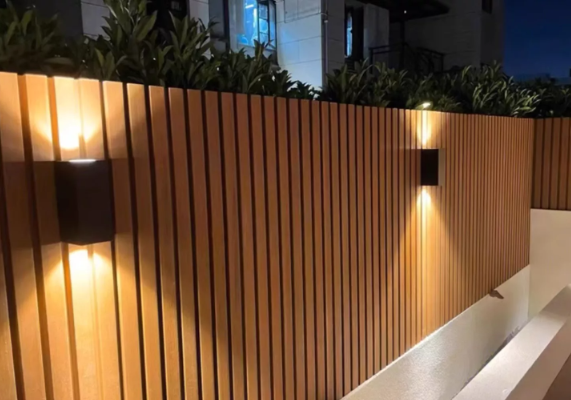
The recommended time depends on the project condition. There is no single universal time for every WPC Wall Panel, because panel profile, installation method, climate and site condition can all change the requirement.
| Project Condition | Suggested Acclimation Time |
|---|---|
| Stable indoor room with normal temperature and humidity | 24–48 hours |
| Large temperature difference after shipping | 48–72 hours |
| High-humidity site or rainy season | 48–72 hours or longer |
| Cold-season delivery into heated rooms | 48–72 hours |
| Exterior WPC wall panel project | 72 hours or project-specific confirmation |
| Custom large-size or thick panels | Confirm with supplier before installation |
These time ranges should be treated as practical guidance, not a fixed rule. The safest approach is to confirm with the supplier according to panel type, project location, storage condition and installation method.
If the panels arrive from a very different climate or have been tightly packed for a long period, longer site conditioning may help reduce installation risk.
Acclimation helps reduce sudden changes after panels are fixed to the wall. If panels are installed too quickly after delivery, they may still be adjusting to the room or outdoor environment. This can affect cutting accuracy, joint appearance and fixing stability.
Poor acclimation may contribute to:
slight panel movement after installation;
uneven joint alignment;
visible gaps;
tight interlocking fit;
poor adhesive bonding;
edge lifting;
trimming errors;
panel misalignment;
surface unevenness;
installation rework.
For small residential feature walls, the problem may be limited. For hotels, office corridors, commercial lobbies or large project orders, small differences can become more visible across a large area.
Acclimation is a simple pre-installation step, but it can help improve installation quality and reduce avoidable site problems.
The right acclimation time depends on several practical conditions. Buyers and installers should not only ask how many hours are needed. They should also check why more or less time may be required.
Important factors include:
temperature difference between storage and installation site;
relative humidity at the site;
indoor or exterior application;
panel size and thickness;
panel profile and groove structure;
packaging condition;
wall surface dryness;
installation method;
adhesive, nails, clips or screws;
project schedule;
site ventilation;
exposure to direct sunlight;
recent transport or container storage.
A stable indoor room may need less time. A humid project site, cold delivery condition or exterior installation may need more preparation. Large custom panels may also require more careful storage and handling before cutting.
Indoor and exterior projects should not be handled in exactly the same way. The environment, fixing method and performance expectations are different.
| Application | Acclimation Focus |
|---|---|
| Indoor WPC Wall Panel | Room temperature, relative humidity, wall dryness and adhesive bonding |
| Exterior WPC Panel | Outdoor temperature changes, sunlight exposure, support system and expansion gaps |
| Commercial projects | Batch staging, schedule planning and large-area joint consistency |
| Residential feature walls | Room condition, wall surface preparation and visual alignment |
| Hotel and office projects | Installation sequence, batch consistency and project timing |
For exterior projects, Exterior WPC Panel products may need longer site conditioning because outdoor temperature changes, support systems and expansion gaps can affect installation planning.
Indoor panels are often installed with adhesive, nails or clips, so wall dryness and room condition are important. Exterior panels may involve joists, screws, clips or support structures, so expansion space and installation planning become more important.
Correct storage during acclimation is as important as the time itself. Poor storage can create bending, uneven contact, surface damage or moisture exposure.
| Storage Item | Recommended Practice |
|---|---|
| Location | Store panels in the installation area or similar site condition |
| Position | Keep panels flat and supported |
| Packaging | Loosen or remove restrictive packaging if supplier allows |
| Ventilation | Allow air circulation around panels |
| Sunlight | Avoid direct sunlight before installation |
| Moisture | Keep panels away from standing water and damp walls |
| Wall condition | Confirm wall is dry, clean and stable |
| Sequence | Acclimate before cutting and final fixing |
Panels should not be leaned at a sharp angle for a long time if this may cause bending. They should not be placed directly on wet floors or against damp walls. If packaging is removed too early in a dusty or active construction site, surface protection may be reduced.
The best method is to store panels flat, supported and protected while still allowing them to adapt to site conditions.
Packaging handling depends on the product, shipment condition and supplier instruction. In some cases, loosening packaging can improve air circulation and allow the panels to adjust more evenly. In other cases, packaging should remain partly in place to protect the surface from dust, scratches or site damage.
A balanced approach may include:
inspecting packaging after delivery;
checking whether panels are dry and undamaged;
moving panels into the installation area;
loosening tight wrapping if supplier allows;
keeping surface protection where needed;
allowing air circulation around the panels;
avoiding direct sunlight and moisture;
keeping batches clearly labeled.
Do not remove protective packaging in a way that makes panels harder to identify by color, model or batch. For project orders, mixed batches can create visual inconsistency or installation confusion.
Acclimation should happen before final cutting and installation. Cutting panels too early may increase the risk of size adjustment after the material has stabilized. Before cutting, installers should confirm panel condition and site readiness.
Useful checks include:
Are the panels close to room or site temperature?
Are panels stored flat and supported?
Is the wall dry, clean and stable?
Is the installation method confirmed?
Are adhesive, clips, nails or screws ready?
Is the layout plan complete?
Are panel batches and colors correct?
Are expansion gaps required?
Are cutting dimensions confirmed?
Are accessories compatible with panel thickness?
Are joints aligned in a sample layout?
Has the installer checked for visible warpage or damage?
A simple dry layout or sample assembly can help confirm joint alignment before full installation begins.
Some installation problems come from skipping basic preparation steps. The following mistakes should be avoided:
installing panels immediately after delivery;
storing panels in direct sunlight before installation;
placing panels on damp floors;
leaning panels unevenly for long periods;
cutting panels before acclimation;
removing all packaging too early on a dusty site;
mixing batches without checking labels;
installing on a damp or unstable wall;
ignoring room temperature and relative humidity;
using adhesive before confirming wall dryness;
failing to leave expansion gaps where required;
rushing large project installation without staging panels.
Acclimation does not replace good installation practice. It works together with wall preparation, correct fixing method, accurate cutting and final joint review.
Before installation, buyers should discuss site conditions and installation requirements with the supplier or contractor. This is especially important for custom WPC Wall Panel installation or bulk project orders.
| Buyer Question | Why It Matters |
|---|---|
| Is the project indoor or outdoor? | Affects acclimation time and fixing method |
| What climate will panels face? | Affects temperature and humidity planning |
| How long were panels in transport? | Helps judge temperature difference |
| Are panels still tightly packed? | Affects air circulation |
| Is the wall dry and clean? | Affects adhesive bonding |
| Will panels be glued, nailed or clipped? | Affects installation preparation |
| Are expansion gaps required? | Helps prevent tight installation problems |
| Is this a project order? | Requires schedule and batch staging |
For custom WPC Wall Panel orders, Demax Decor can help confirm recommended storage time, packaging handling, cutting sequence and installation preparation according to project conditions.
Demax Decor supports WPC Wall Panel supply for interior decoration, exterior wall projects, commercial spaces, residential feature walls and custom requirements. For project installations, preparation should start before panels arrive at the site.
Demax Decor can help review:
panel type;
indoor or exterior application;
project location;
climate condition;
target panel size;
installation method;
adhesive, nail, clip or screw fixing;
storage method;
packaging requirement;
color and batch planning;
cutting sequence;
project schedule;
quantity and delivery plan.
If you are preparing WPC Wall Panels for a project installation, Demax Decor can help review panel type, room condition, storage method, installation method, project schedule and acclimation needs before work begins.
WPC Wall Panels should usually be placed in the installation environment before fixing so they can adjust to local temperature and humidity. In many stable indoor projects, 24–48 hours may be enough. For high humidity, cold-season delivery, long-distance transport, exterior use or large-size custom panels, 48–72 hours or longer may be safer, depending on supplier instruction and project conditions.
Correct acclimation is not only about time. It also includes flat storage, suitable ventilation, protection from moisture, careful packaging handling, wall readiness and checking panels before cutting. Good preparation helps improve adhesive bonding, joint alignment, installation efficiency and final wall appearance.
Need help planning storage time, site conditions or installation sequence? Contact Demax Decor for WPC wall panel installation preparation with your panel type, project location, installation method, climate condition, quantity and schedule.
In many stable indoor projects, WPC Wall Panels may acclimate for 24–48 hours. Projects with large climate differences, high humidity, cold delivery or exterior use may need 48–72 hours or longer.
No. The required time depends on panel type, site temperature, humidity, transport condition, storage method, installation method and supplier instruction.
Acclimation helps panels adjust to the installation environment before fixing, cutting or bonding. This can improve joint alignment, fit and installation stability.
For indoor installation, panels should usually be placed in the room or a similar site condition before installation so they can adjust to room temperature and relative humidity.
Exterior projects may need longer conditioning because outdoor temperature changes, support systems, sunlight exposure and expansion gaps can affect installation planning.
Packaging may be loosened or partially removed if the supplier allows it. However, panels should remain protected from dust, scratches, moisture and batch mixing.
Flat storage with proper support is usually safer. Leaning panels unevenly for long periods may increase the risk of bending or edge stress.
It is better to acclimate panels before final cutting. Cutting too early may increase the risk of fit changes after the panels adjust to site conditions.
Check panel condition, wall dryness, storage method, installation layout, cutting dimensions, batch labels, joint alignment, accessories and fixing method.
Yes. Demax Decor can review panel type, project location, installation method, climate condition, storage method, quantity and schedule to support installation preparation.


