


English
Views: 0 Author: Site Editor Publish Time: 2026-04-27 Origin: Site


Mosaic tile is not just a decorative focal point. You need materials built to withstand daily cooking hazards. However, many homeowners face immediate buying friction. The sheer volume of available materials, sizes, and installation methods can cause intense decision paralysis. If you guess wrongly during the selection process, you risk making costly maintenance mistakes. We created this guide to solve that exact problem.
Our goal is to provide an evidence-based framework for evaluating your options. We will thoroughly analyze spatial dimensions, material durability, and installation realities. You will learn how to match specific tile properties to your household's unique usage habits. A beautiful space means nothing if it degrades quickly under daily wear. By the end of this guide, you will confidently select a Mosaic Tile blending architectural harmony with robust, everyday practicality.
Material dictates maintenance: Glass and ceramic offer low-effort cleaning, while natural stone requires strict, ongoing sealing protocols.
Scale alters perception: Large-format tiles can make compact kitchens feel larger by reducing grout lines, whereas micro-mosaics expertly navigate architectural obstacles like outlets, corners, and curved walls.
Installation method matters: Mesh-backed mosaic sheets require proper mortar coverage, substrate preparation, and careful sheet alignment to ensure long-term durability.
Budget beyond the tile: True cost includes the raw material, specialized grout, sealants, substrate preparation, and professional labor for complex patterns
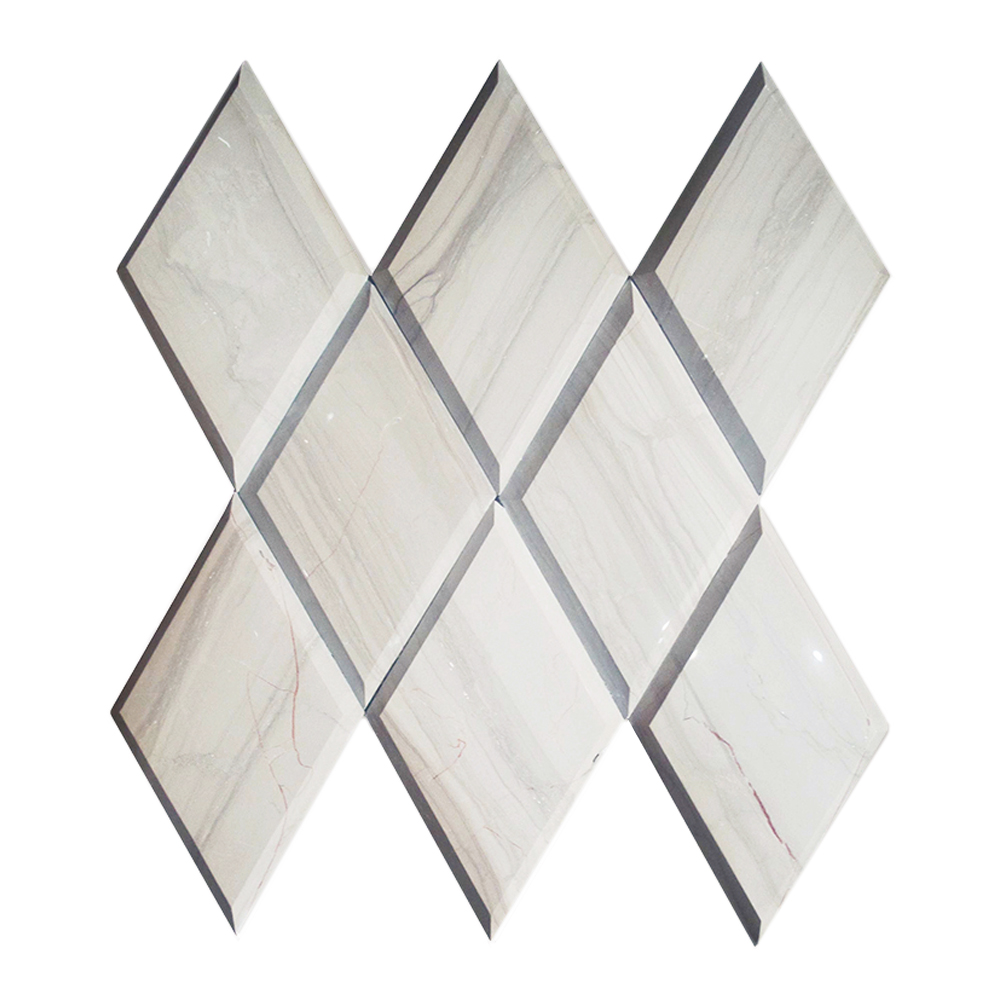
Material selection serves as the absolute foundation of your backsplash strategy. You cannot separate aesthetic appeal from daily maintenance requirements. Different environments demand entirely different structural properties.
Glass is highly non-porous. It perfectly resists aggressive grease splatters and constant moisture. You can easily wipe the surface clean after heavy cooking sessions. Solid glass products never absorb cooking odors or trap stubborn stains. They work best for modern spaces needing increased light reflection. Glossy glass finishes beautifully illuminate smaller. Manufacturers often fuse colored pigments directly into the glass. This process guarantees the color will never fade over time.
Ceramic and porcelain rely on highly refined, high-density clay. Manufacturers fire them at extreme temperatures in industrial kilns. This intense firing process ensures heavy-duty scratch and water resistance. They require zero-fuss maintenance and easily support traditional aesthetic visions. Glazed porcelain acts as an impenetrable shield against acidic food spills. You can scrub these surfaces aggressively without damaging the top layer.
Natural stone introduces unmatched organic texture into your home. You might select marble, travertine, or limestone for a sophisticated look. However, you must understand their structural realities. These stones remain highly porous. They carry a distinct, high-level risk factor. You must implement strict, routine sealing protocols every few months. The microscopic pores will otherwise absorb red wine, oil, and coffee instantly.
Common Mistake: Using acidic cleaners on stone surfaces. Lemon juice or white vinegar will cause irreversible yellowing. These acids chemically attack the calcium in marble and limestone, resulting in severe surface etching.
Metal introduces an industrial edge to residential designs. Metal and mixed materials create instant visual depth. Interestingly, many metal products utilize a clever manufacturing trick. They feature a lightweight resin core. A thin copper, stainless steel, or aluminum layer wraps tightly around this core. This construction method keeps overall weight manageable. It also simplifies the cutting process for installers. Mixed material sheets often combine glass, stone, and metal into a single layout. This creates a highly complex visual texture.
Material Type | Porosity Level | Maintenance Effort | Best Use Case |
|---|---|---|---|
Glass | Non-porous (Zero absorption) | Very Low | Modern, dark needing light reflection. |
Ceramic/Porcelain | Very Low (Glazed) | Low | High-traffic, family-oriented cooking zones. |
Natural Stone | Highly Porous | High (Requires Sealing) | Luxury designs avoiding acidic chemical exposure. |
Metal/Mixed | Non-porous (Metal face) | Medium (Scratch prone) | Industrial or transitional aesthetic accents. |
Understanding scale is critical for a successful installation.
This is fundamentally false. A highly counter-intuitive rule applies here. Using larger tiles directly reduces the total number of grout lines. A 4x12 format creates long, uninterrupted visual plains. Fewer grid lines aggressively limit visual clutter. This visual trick makes tight spaces feel far more expansive. Continuous surfaces trick the human eye into perceiving a larger room volume.
Conversely, you must navigate complex wall geometry carefully. Small format micro-mosaics excel in tricky environments. They structurally outperform larger slabs on challenging surfaces. Think about penny rounds or micro-hexagons. These tiny pieces easily maneuver around multiple electrical outlets. Large slabs require difficult, precise plunge cuts around switch boxes. Micro-mosaics bypass this issue entirely. They seamlessly wrap curved corners and uneven window frames. You minimize awkward edge cuts and drastically reduce overall installation time.
You must evaluate your cabinet-to-counter proportions closely. Select proportions fitting this exact vertical real estate. Low-clearance areas present unique design challenges. Try vertical stacking of slim rectangular shapes. This orientation creates a powerful optical illusion. Vertical lines draw the eye upward immediately. Your upper cabinets will seem higher. The ceiling will instantly appear taller.
Best practices for matching scale to architecture include:
Measure the exact distance between countertops and upper cabinets before shopping.
Count the number of wall outlets and light switches in the target zone.
Choose micro-mosaics if you count more than four wall interruptions.
Opt for large-format slabs if you have long, uninterrupted wall stretches.
Aesthetics require as much strategic thinking as structural materials. You can manipulate mood, perceived space, and light behavior through smart design choices.
You should actively avoid visually flat designs. Monotone spaces feel clinical and boring. You can easily fix this by blending different finishes. Mix matte and glossy surfaces together in the same installation. Glossy surfaces successfully bounce ambient light across the countertops. Matte finishes subtly ground the overall design. They absorb light and create soft shadows. This intentional contrast builds instant visual depth.
Anchoring your space requires careful, deliberate color selection. Bright colors demand attention. Neutral colors fade into the background. Utilize cool, receding tones to strike a perfect balance. A gorgeous blue mosaic tile in a glossy glass finish works perfectly. It simultaneously introduces a strong focal point and amplifies natural light. It achieves this delicate balance without overwhelming your existing cabinetry. Cool tones naturally recede from the viewer, making the wall feel further away.
You can leverage physical 3D textures for intense tactile interest. Standard flat walls often lack personality. Consider stacked stone ledger panels. They feature dramatically varying thicknesses. Some pieces jut out further than others. They cast physical 3D shadows under harsh cabinet lighting. This creates a rugged, organic atmosphere. Alternatively, consider modern terrazzo options. Terrazzo embeds tiny chips of glass and marble in concrete. This introduces subtle micro-movement without relying on heavy textures.
Modern layout extensions push traditional boundaries. Older designs simply filled the 18-inch gap under cabinets. Modern designers aggressively move beyond standard gap coverage. Running the material fully up to the ceiling is a current industry standard. You might tile around floating shelves or completely cover a window wall. It transforms the wall into a massive architectural feature rather than a simple protective guard.
Beneath the surface aesthetics lies the structural reality of the installation. For most residential and commercial backsplash projects, mesh-backed mosaic sheets remain the practical standard. The mesh keeps small pieces aligned, supports consistent joint spacing, and helps installers handle larger areas more efficiently.
Mesh-Backed Sheets
Mesh-backed sheets dominate the current residential market. Manufacturers attach dozens of small pieces to a fiberglass or resin mesh backing. This structure simplifies the alignment process and makes intricate geometric patterns easier to install. Arabesque, chevron, herringbone, hexagon, and penny round layouts are difficult to position piece by piece. Mesh backing helps maintain the pattern and spacing during installation.
However, mesh-backed sheets still require careful installation. The backing layer occupies part of the tile’s rear surface, so installers must use the correct thin-set mortar and proper troweling technique to ensure strong bonding. Mortar should be spread evenly, and each sheet should be pressed into place with consistent pressure. Avoid pressing individual pieces with fingertips, as this can create uneven surfaces or visible sheet lines.
For glass mosaics, white thin-set mortar is often recommended because darker mortar can affect the final appearance, especially when the tile is translucent or lightly colored. For stone or mixed-material mosaics, the mortar should be compatible with the tile material and the wall substrate.
Peel-and-Stick vs. Traditional Mortar
You must carefully evaluate peel-and-stick options against traditional mortar applications.
Peel-and-stick sheets provide a low-risk, DIY-friendly solution for temporary decorative updates. They are easy to cut and install, making them suitable for rental apartments, light-use walls, or short-term design refreshes. However, they are not the best choice for high-heat, high-moisture, or long-term backsplash installations.
Traditional mortar installation remains the stronger and more durable choice for kitchens, bathrooms, and commercial interiors. Areas behind stoves experience heat variation, while sink areas face frequent moisture exposure. In these locations, cementitious thin-set mortar and quality grout provide better long-term stability than adhesive-backed products.
For permanent mosaic tile backsplash projects, mesh-backed sheets installed with suitable thin-set mortar are the more reliable solution. This method offers better bonding strength, improved moisture resistance, and longer service life when installed over a properly prepared substrate.
You need a concrete methodology to finalize your decision. Avoid choosing solely based on an attractive showroom display. Follow this strict shortlisting framework to ensure long-term satisfaction.
Be brutally honest about your household cleaning habits. High-maintenance materials look beautiful but require significant ongoing labor. Filter your options heavily based on this reality. Choose glass or glazed porcelain if you desire low effort. You can scrub them endlessly without worry. Select natural stone only if you formally commit to sealing it periodically. Ignoring this filter leads to stained, ruined surfaces within months.
Examine your wall structure closely. You must match the format to the physical environment. Pick large formats for long, flat, uninterrupted walls. Avoid large formats if your wall bows or curves slightly. Rigid large pieces will crack against uneven drywall. Choose small formats for complex layouts. If you have multiple electrical outlets and light switches, small pieces navigate these obstacles effortlessly.
You can safely look at colors and textures only after passing the first two filters. Assess your existing cabinet finishes. Check your countertop texture combinations. Ensure your grout color contrast matches the room's intended mood. High-contrast grout highlights geometric shapes. Low-contrast grout blends the shapes into a smooth, continuous background.
Choosing the right backsplash is fundamentally a delicate balancing act. You must constantly weigh structural reality against aesthetic preference. The material you pick determines your weekend maintenance routine. The scale you choose manipulates the perceived size of the room.
Investing in the correct material heavily prevents long-term degradation. Pair your chosen aesthetic carefully with the appropriate installation backing. A beautiful glass piece fails quickly if installed with improper mortar. Always match your final choice to your household's actual cooking habits.
We strongly recommend ordering three or four physical samples immediately. Compare them closely against your existing countertop materials. Hold them up to the cabinetry. This crucial final step prevents buyer's remorse and guarantees a successful, beautiful installation.
A: Baseline material expectations range from $5 to $30 per square foot. Recycled glass and basic ceramic generally sit at the lower end. Custom waterjet marble and intricate metal blends sit at the high end. Remember that professional installation and premium epoxy grouts will noticeably increase your final budget.
A: No. Acidic cleaners cause severe chemical reactions on porous materials. Lemon juice and white vinegar will permanently etch the surface. They also cause irreversible yellowing. Always use pH-neutral stone cleaners instead. You must also maintain a routine sealing schedule to protect the stone's delicate surface.
A: No. Self-adhesive pieces face strict structural limitations regarding heat and moisture exposure. High-heat zones directly behind cooktops easily melt the sticky adhesive backing. This causes premature peeling and sudden structural failure. Traditional mortar installations remain the safest, most durable standard for intense heat areas.


