


English
Views: 0 Author: Site Editor Publish Time: 2026-06-21 Origin: Site


Navigating the modern interior design market means sorting through countless synthetic cladding options. Buyers often look past basic definitions to decide if polystyrene is the right choice for their specific spaces. It takes more than a surface-level glance to evaluate material specifications for upcoming residential or commercial projects.
You need to balance striking 3D aesthetic upgrades against strict budget limits and tight installation timelines. Many alternative materials warp under humidity or require expensive, reinforced load-bearing walls. Choosing the wrong cladding can quickly derail project schedules and compromise long-term material longevity.
We will objectively examine the structural realities, ideal use cases, and notable limitations of polystyrene wall panels. You will discover exactly where these panels excel and where they fall short. This guide equips you with the facts needed to make an informed, confident purchasing decision.
Core Function: PS (Polystyrene) wall panels are engineered primarily for lightweight, moisture-resistant interior cladding and decorative 3D texturing.
Major Limitations: Lower impact resistance compared to WPC or MDF; strictly for interior use due to UV degradation risks.
Cost-to-Value: Offers the highest ROI for projects prioritizing visual impact and waterproof properties on a strict budget.
Understanding polystyrene requires looking beneath its decorative surface. Manufacturers use high-density polystyrene to create these modern architectural elements. The production relies on a specialized extrusion and foaming process. This manufacturing method forms a closed-cell structure inside the material. The microscopic bubbles trap air and create a dense, rigid foam core. This structural foundation gives the PS Wall Panel its unique properties.
We must evaluate performance baselines to understand its true value. Let us look at moisture and rot resistance first. Polystyrene offers a 100% waterproof baseline. Traditional MDF or untreated wood absorbs ambient moisture over time. Polystyrene completely repels water. It never sustains mold growth or internal rot.
Weight density presents another massive advantage for project managers. The panels feel exceptionally lightweight compared to solid wood composites. This low density heavily reduces logistical shipping costs. You also eliminate the need for reinforced load-bearing walls. Installers can handle large panels without heavy lifting equipment.
However, we must apply a skeptical lens to these benefits. The "lightweight" nature inherently trades off against "impact resistance." Polystyrene can dent if struck by heavy, sharp objects. They are decorative elements rather than structural ones. You cannot rely on them to bear weight or withstand heavy abuse. Knowing this limitation helps prevent costly misapplications.
Home interiors present unique micro-climates. Constant moisture warps traditional materials quickly. You can safely install an Interior PS Wall Panel in these damp environments. They maintain their shape and finish perfectly. Homeowners frequently use them in living rooms or bedrooms too. They deliver bold 3D aesthetic enhancements without complex, expensive carpentry work.
Commercial spaces demand rapid turnarounds. Extended construction timelines hurt retail profits. Designers deploy polystyrene for fast retail display backdrops. You will often see them in hotel lobbies and office reception areas.
They allow for overnight cosmetic upgrades.
Installation creates minimal dust and debris.
The value proposition centers on minimizing operational downtime.
Installers cover massive wall spaces in hours, not days.
Many suppliers make broad claims regarding insulation. We must clarify the actual limits. The closed-cell foam does provide minor thermal insulation. It also offers basic sound dampening by disrupting sound waves. However, you should not treat them as specialized acoustic panels. They cannot replace dedicated structural insulation inside external walls. They offer a helpful bonus, not a primary acoustic solution.
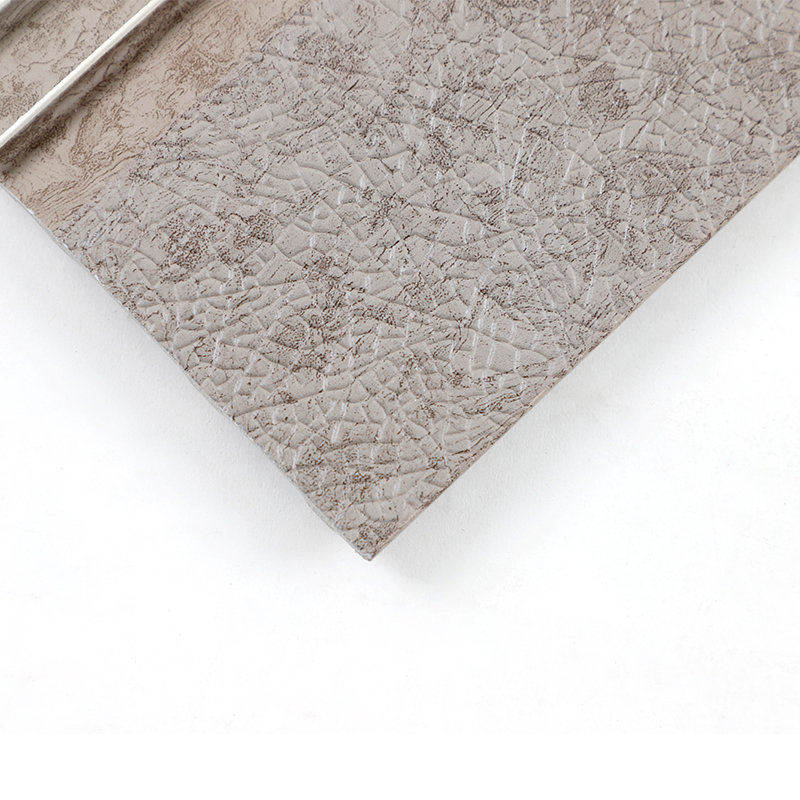
Comparing polystyrene to Wood Plastic Composite (WPC) reveals distinct differences. Weight and installation speed heavily favor polystyrene. It is significantly lighter and much easier to cut on-site. Installers zip through polystyrene using standard fine-tooth saws. WPC requires heavier blades and more physical effort.
Durability tells a different story entirely. WPC handles high-traffic abuse far better. You should specify WPC for busy commercial hallways or public corridors. Polystyrene suits elevated feature walls where shopping carts or luggage will not strike it.
Medium-Density Fiberboard (MDF) remains a staple in interior design. Yet, moisture tolerance firmly separates it from polystyrene. Polystyrene will never swell, mold, or delaminate in damp conditions. MDF acts like a sponge if its protective veneer fails. A minor plumbing leak destroys MDF baseboards instantly.
Cost and finish also differentiate these two options. Polystyrene perfectly mimics natural wood grains via hot-stamping foils. It achieves this look at a mere fraction of the cost. However, MDF generally offers a more authentic, dense tactile feel. You must decide if tactile density outweighs complete waterproofing and budget savings.
| Material Feature | Polystyrene (PS) | Wood Plastic Composite (WPC) | Medium-Density Fiberboard (MDF) |
|---|---|---|---|
| Moisture Resistance | 100% Waterproof | Highly Water Resistant | Poor (Prone to swelling) |
| Weight Profile | Ultra-Lightweight | Heavy/Dense | Moderate to Heavy |
| Impact Tolerance | Low (Prone to denting) | High (Excellent durability) | Moderate |
| Cost Efficiency | High (Budget-friendly) | Moderate | Low (Expensive) |
Any commercial material specification demands strict safety scrutiny. We must address the reality of polystyrene combustibility openly. Untreated foam burns quickly. You must outline the necessity of Class A or Class B fire-retardant additives. Commercial building code compliance often requires specific intumescent coatings applied at the factory. Always verify local fire codes before approving a purchase order.
Indoor air quality impacts occupant health directly. You should evaluate environmental and VOC claims carefully. Many manufacturers now use recycled materials to form the panel core. High-quality panels emit zero volatile organic compounds after installation. Ask suppliers about end-of-life recyclability to meet green building standards.
Installation realities often surprise inexperienced contractors. Professional installers follow specific protocols to avoid catastrophic failures. Consider these vital implementation rules:
Thermal Expansion: Polystyrene expands and contracts during severe temperature shifts. You must leave minimal expansion gaps at the ceiling and floor lines. Failing to do so causes severe buckling.
Adhesive Compatibility: This is a critical failure point. Solvent-based construction adhesives will chemically melt polystyrene. The foam literally dissolves behind the wall.
Correct Fastening: We recommend using neutral-cure silicones or specific polymer adhesives. You can pair these safe adhesives with concealed brad nails for immediate hold.
Making a final material selection requires objective criteria. Project managers need clear boundaries to avoid costly specification errors. You can use the following logic matrix to finalize your choice.
| Decision Category | Project Conditions |
|---|---|
| Success Criteria (Choose PS) | Projects requiring rapid overnight installation. Environments needing 100% moisture resistance. Sites demanding lightweight handling. Designs requiring high aesthetic variety and 3D textures. |
| Disqualification Criteria (Avoid PS) | Walls facing heavy physical impact like industrial corridors or schools. Spaces needing structural load-bearing capacity. Areas exposed to direct exterior UV sunlight. |
You need concrete next-step actions to move forward. First, request physical sample kits from reliable manufacturers. Feel the hot-stamped finish and test its rigidity. Second, test adhesive compatibility on a scrap piece. Third, share the technical data sheet with your local fire marshal. Verifying commercial building codes before bulk ordering saves massive regulatory headaches later.
Polystyrene cladding delivers an efficient, completely waterproof aesthetic solution for low-impact interior environments.
It dramatically reduces installation time and labor costs compared to traditional carpentry.
Always prioritize neutral-cure adhesives and expansion gaps to ensure long-term stability.
Evaluate your specific room humidity, daily foot traffic, and overall aesthetic goals before committing.
Contact a manufacturer today to request a technical spec sheet and a physical material sample kit for your team.
A: No. Polystyrene cannot handle direct exterior exposure. Ultraviolet light degrades the polymer structure rapidly. Constant sunlight causes severe fading, surface chalking, and eventual brittleness. You must restrict their application entirely to interior spaces away from direct, unfiltered exterior UV rays.
A: Yes, but it requires careful preparation. Standard latex paints will not adhere properly to the factory hot-stamped foil surface. You must apply a specialized bonding primer designed for plastics first. Once primed, you can apply high-quality acrylic or latex topcoats safely.
A: We recommend using a fine-tooth saw blade. A circular saw equipped with a high-tooth-count vinyl or plastics blade works perfectly. Always cut the material face-up to prevent the decorative foil from splintering along the rough edges. Tape the cut line for extra protection.


