


English
Views: 0 Author: Site Editor Publish Time: 2026-06-22 Origin: Site


Selecting the right interior cladding requires careful thought. You must balance aesthetic goals against structural and environmental realities. Choosing the wrong polymer substrate creates long-term headaches. It quickly causes premature warping. You might also experience sudden adhesive failure. Often, the overall visual quality degrades much faster than expected. Contractors, interior designers, and homeowners constantly weigh these serious risks. They need reliable data to make informed choices. This guide breaks down the technical and functional differences clearly. We explore Polystyrene and Polyvinyl Chloride options in depth. You will learn the specific material strengths defining each option. We examine practical installation requirements, moisture tolerance, and realistic aesthetic potential. Our detailed breakdown helps project managers evaluate potential risks accurately. You can then make an evidence-based procurement decision confidently for your next interior renovation.
Material Focus: PS (Polystyrene) excels in high-fidelity aesthetic replication (wood grain, 3D fluting) and lightweight handling, while PVC (Polyvinyl Chloride) prioritizes maximum moisture resistance and utilitarian durability.
Installation Reality: Both require construction adhesive and mechanical fasteners, but PS cuts with cleaner edges, whereas PVC may require specific saw blades to prevent splintering.
Cost vs. ROI: PVC generally presents a lower upfront material cost, while PS justifies its slight premium through higher-end finishes and acoustic benefits.
Modern interior cladding relies heavily on engineered polymers. Manufacturers design these substrates specifically to solve complex building challenges. You must understand their basic chemical compositions first. This fundamental knowledge helps you specify materials correctly. It also prevents catastrophic failures in demanding environments.
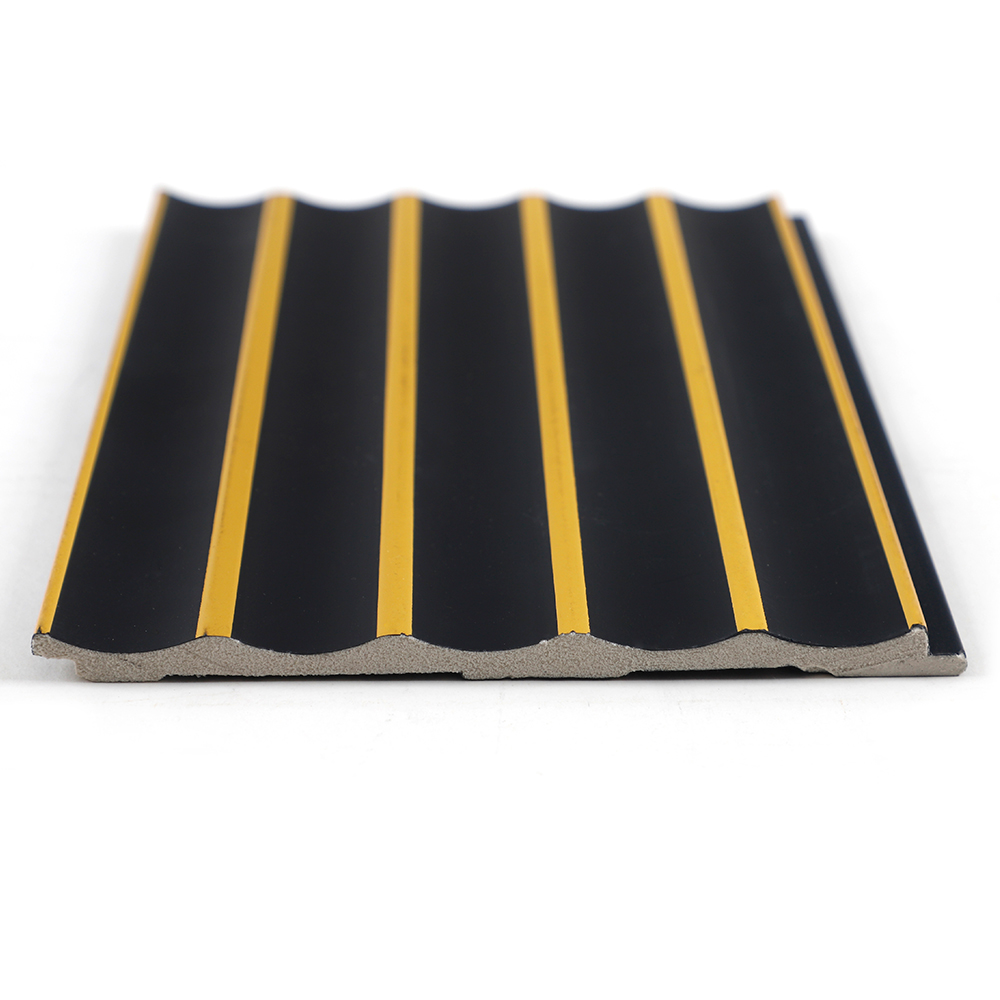
Manufacturers build a standard PS Wall Panel from high-density Polystyrene. They utilize a highly advanced extrusion process. This manufacturing technique allows for deep embossing. It creates highly realistic surface textures naturally. Designers love the rich visual depth achieved here. You will find a lightweight, rigid micro-foam core inside. This internal structure provides minor acoustic insulation natively. It dampens ambient noise effectively across busy residential spaces. Experienced contractors truly appreciate the lightweight handling characteristics. Lighter boards prevent extreme muscle fatigue during ceiling installations. The rigid foam core maintains structural integrity beautifully over time.
Factories produce these functional units from Polyvinyl Chloride resins. They combine the base resin carefully using calcium carbonate. The calcium additive provides essential structural rigidity. Manufacturers also mix specific plasticizers into the batch. These plasticizers prevent unwanted brittleness during cold weather. You can choose between hollow-core or solid dense structures. The final manufactured product highly resists liquid infiltration. It also defies chemical degradation from standard household cleaners. PVC generally feels heavier than polystyrene counterparts. It flexes more easily across uneven partition walls. The printed surface remains flat or only moderately textured. You rarely see deep architectural fluting here. It functions primarily as a utilitarian barrier against moisture.
Evaluating building materials requires analyzing specific performance metrics. We must look closely at how they handle daily stress. True quality reveals itself through prolonged exposure. You need materials matching your exact room conditions perfectly.
Visual impact drives many interior design decisions today. Polystyrene panels easily achieve incredible 3D profiles. You often see stunning fluted or louvered designs featured prominently. Factories apply a specialized thermal foiling process during production. This thermal process binds realistic wood or metallic films seamlessly. The decorative film adheres directly onto the substrate permanently. It creates unparalleled tactile depth mimicking natural materials. Polyvinyl chloride panels face stricter manufacturing limitations structurally. They typically restrict visual profiles to flatter surfaces. You might find some shallow grooves occasionally. Manufacturers usually print or laminate the final finishes instead. This approach functions perfectly well for utility spaces. However, it lacks the true tactile depth of high-end alternatives.
Moisture tolerance dictates application zones strictly across commercial projects. Polyvinyl chloride remains inherently waterproof by its chemical design. It acts as an impervious barrier against toxic mold. The building industry standardizes it for direct-water contact zones. We constantly see it utilized inside commercial washrooms. Polystyrene offers high water resistance natively. It survives occasional splashes without any major issues. However, sustained liquid submersion degrades the surface foil eventually. Extreme humidity over long periods accelerates this aesthetic degradation. Impact resistance also varies significantly between the two substrates. Solid polyvinyl chloride provides exceptionally high blunt-force resistance. It survives shopping cart bumps or heavy foot traffic easily. High-density polystyrene absorbs general room impact quite well. Unfortunately, it can dent noticeably under sharp, localized force. The internal micro-foam core compresses permanently if struck sharply.
Both polymer materials suffer if exposed to direct sunlight. Unfiltered ultraviolet rays cause noticeable color fading rapidly. Polystyrene units often feature specialized UV-resistant topcoats. These clear coatings extend the aesthetic lifespan significantly. Neither option suits exterior architectural cladding applications safely. You should reserve both strictly for controlled interior environments. Under standard interior conditions, both panels perform beautifully. They offer a reliable 15 to 20 year operational lifespan. Eventually, minor aesthetic degradation will require a full replacement.
| Performance Metric | Polystyrene (PS) | Polyvinyl Chloride (PVC) |
|---|---|---|
| Moisture Tolerance | Highly resistant, avoid submersion | 100% Waterproof, mold-impervious |
| Aesthetic Depth | Deep 3D profiles, realistic textures | Flat or shallow grooves, printed finishes |
| Impact Resistance | Good, prone to sharp dents | Excellent blunt-force resistance |
| Acoustic Dampening | Minor insulation properties | Minimal to none natively |
| UV Stability | Prone to fading, topcoats help | Fades under direct harsh sunlight |
Theory means very little without proper field execution. Installation realities dictate true project success rates. We must evaluate how these substrates behave under real construction conditions. Proper handling techniques prevent costly material waste.
Contractors demand predictable behavior during on-site fabrication. Polystyrene cuts smoothly using standard woodworking tools reliably. You can use standard miter saws or fine-tooth blades. Installers appreciate the remarkably minimal dust production. The material generates absolutely no melting during blade friction. The final cut edges remain clean and sharp. Polyvinyl chloride presents entirely different fabrication challenges. High-friction or dull blades cause the plastic to melt instantly. It may also chip unpredictably along the designated cut line. You must handle it precisely throughout the entire process. Clean joints require sharp, dedicated plastics blades consistently.
Temperature fluctuations affect both polymer types significantly. Buildings naturally shift throughout changing climate seasons. Thermal movement requires proactive mitigation strategies from installers. You cannot ignore basic physics during interior installations.
Many novice installers pin panels tightly against adjacent corners. They ignore natural thermal shifts entirely. This mistake traps expanding polymers unavoidably. The trapped material eventually buckles outward awkwardly. You must leave adequate expansion gaps universally.
Follow these mitigation steps carefully:
Measure the space: Calculate the total linear span accurately before starting.
Leave expansion gaps: Installers must leave appropriate gaps at the perimeter. We recommend 2-3mm clearances around all rigid edges.
Avoid rigid pinning: Never pin either panel without allowing mechanical tolerances. Rigid fastening inevitably leads to catastrophic buckling later.
Acclimate the panels: Store the materials inside the exact installation room. Let them sit untouched for 48 hours before cutting.
Adhesive selection impacts overall project timelines directly. Polystyrene weighs significantly less per square foot generally. This lightweight nature allows for much faster grab times. You can confidently use standard construction adhesives. Installers save hours of waiting around idly. The heavier weight of polyvinyl chloride demands different strategies. Gravity pulls heavily on vertical wall applications constantly. You may require complex temporary bracing techniques. Installers often combine liquid adhesive alongside concealed brad nails. The mechanical fasteners hold the heavy weight securely. They keep panels perfectly aligned until the adhesive bond cures fully.
We strongly recommend using high-tack polymer adhesives exclusively. Apply the thick glue using a continuous serpentine pattern. This specific pattern maximizes actual surface contact. You should always wipe away excess squeeze-out immediately.
Procurement managers always evaluate budget constraints carefully. You must look beyond simple material stickers. Smart planning requires understanding long-term labor variables. A comprehensive PS PVC Wall Panel comparison reveals distinct financial realities. We break down the initial and ongoing economic impacts below.
Polyvinyl chloride represents a highly commoditized material globally. This widespread availability results in lower per-square-foot pricing. Manufacturers pump out hollow-core panels cheaply every day. It fits incredibly tight renovation budgets perfectly. Polystyrene alternatives carry a noticeably distinct premium. They require highly complex extrusion methods initially. The thermal foiling process adds further manufacturing steps. These extra factory steps increase the baseline procurement price. The visual realism completely justifies this extra initial expense for premium spaces.
Labor often dominates your interior renovation budget heavily. The lightweight nature of polystyrene provides massive hidden benefits. It dramatically reduces installer fatigue on very large jobs. Lighter panels accelerate overall project completion timelines. Contractors finish massive rooms much faster safely. This execution speed potentially offsets the higher initial material cost. You effectively reduce billable labor hours cleanly. Heavy materials slow down the installation crew inevitably. They require significantly more lifting and manual bracing. Time spent bracing equals money lost continuously.
We must consider post-installation obligations carefully. Both materials require absolutely zero ongoing chemical treatments. You never need complex sealing, painting, or grouting steps. Property owners save thousands in lifetime maintenance completely. Cleaning remains extremely straightforward for both substrates universally. You only require mild, non-abrasive household surfactants. Harsh industrial bleach damages the decorative surface finishes permanently. Use soft microfiber cloths for routine weekly dusting.
Decision paralysis delays many construction schedules needlessly. Use this clear framework for your next procurement meeting. We designed it for quick, logical project alignment. You can filter your choices rapidly using these exact parameters.
The project demands premium, highly realistic wood-look finishes.
You desire deep 3D architectural profiles immediately.
Installation occurs strictly in dry, climate-controlled areas.
You target living spaces, corporate boardrooms, or retail feature walls.
Acoustic ambient dampening represents a secondary project goal.
Weight restrictions on the underlying partition wall remain a strict concern.
The installation environment faces constant high moisture levels.
The room undergoes frequent heavy washdowns or sanitizations.
The renovation project faces highly restrictive budget constraints.
Utilitarian durability takes clear priority over tactile aesthetics.
You expect frequent heavy blunt-force impacts from daily equipment.
Final Verdict: Neither material proves objectively superior overall. Their efficacy depends entirely on your specific application environment. Polystyrene serves as the definitive choice for aesthetic architectural upgrades. It elevates interior styling beautifully across completely dry zones. Polyvinyl chloride remains your highly reliable, heavy-duty workhorse. It conquers moisture-heavy and demanding utilitarian applications effortlessly.
Next Steps:
Review your exact room humidity levels carefully.
Establish hard financial budget constraints before viewing vendor samples.
Request physical samples of both materials from your suppliers.
Test the printed surface realism under your actual room lighting.
Verify structural rigidity against expected daily foot traffic.
You must align material strengths directly against room weaknesses. Smart planning guarantees a beautiful, highly durable interior finish.
A: High-quality, commercially certified PS and PVC panels are manufactured to strict indoor air quality standards and emit negligible VOCs once cured. Always verify supplier compliance with local environmental certifications.
A: Yes, both PS and PVC panels can be retrofitted directly over flat, structurally sound surfaces using high-tack polymer adhesives, significantly reducing demolition costs.


