


English
Views: 0 Author: Site Editor Publish Time: 2026-06-22 Origin: Site


Interior decorators, contractors, and material distributors constantly face a difficult trade-off. They must frequently balance premium aesthetic quality against tight material budgets and strict installation timelines. Traditional wood, Medium-Density Fiberboard (MDF), and standard PVC have dominated the architectural finish market for decades. However, these legacy materials often fail in high-humidity environments. They also frequently demand expensive, ongoing maintenance and specialized labor. High-density Polystyrene (PS) has recently emerged as a powerful, high-performance alternative designed to solve these exact structural challenges. This guide bypasses the usual marketing fluff to objectively evaluate this modern composite material. We will deeply explore the commercial, aesthetic, and structural benefits of these advanced architectural finishes. You will learn exactly how to determine if they perfectly align with your next interior project’s specific success criteria. Our detailed analysis provides actionable insights for your professional procurement strategy.
Labor Efficiency: High-density PS drastically reduces structural load and cuts installation time due to its lightweight nature.
Aesthetic Versatility: Advanced extrusion allows for seamless, high-fidelity 3D textures that replicate natural materials at a fraction of the cost.
Moisture & Wear Resistance: Unlike MDF or natural wood, PS panels will not warp, swell, or rot in high-humidity environments.
Clear Use Cases: Best suited for interior feature walls, curved surfaces, and rapid commercial fit-outs; not recommended for load-bearing or high-impact exterior applications.
Polystyrene represents a highly versatile synthetic aromatic hydrocarbon polymer. It originates directly from the monomer styrene. In the realm of architectural finishes, manufacturers do not use standard brittle polystyrene. They utilize an advanced high-density extrusion process instead. Factories feed raw polystyrene beads into massive industrial extruders. Intense heat and extreme pressure melt these beads completely. The machinery forces the molten plastic through precision dies. This creates continuous, rigid profiles.
These extruded profiles eventually become a standard PS Wall Panel. The resulting material boasts incredible structural density. It feels remarkably solid to the touch. It resists bending far better than cheap hollow plastics. The manufacturing timeline moves rapidly. Beads expand, fuse, and cool into solid boards within minutes.
Composition directly dictates long-term field performance. Natural timber contains organic cellulose. Fungi and termites actively consume cellulose. High-humidity environments rapidly accelerate this organic decay. Polystyrene contains absolutely zero organic matter. Its synthetic chemical makeup provides inherent resistance against moisture penetration. Pests simply cannot consume the dense plastic core. This fundamentally bypasses the need for toxic chemical treatments. Builders typically apply harsh chemical sealants to natural wood. You can eliminate these hazardous chemicals from your job site entirely.
However, you must establish a strict baseline expectation. Not all manufactured polystyrene products perform equally. The commercial viability of any given board depends on specific manufacturing tolerances. Extrusion density serves as the primary indicator of physical quality. Low-density extrusions dent easily and feel uncomfortably brittle. High-density boards offer robust impact resistance. Furthermore, the surface lamination quality separates premium products from budget options. Excellent factories use thermal bonding for their decorative films. Poor factories rely on cheap cold glues. Cold glues inevitably peel under temperature fluctuations.
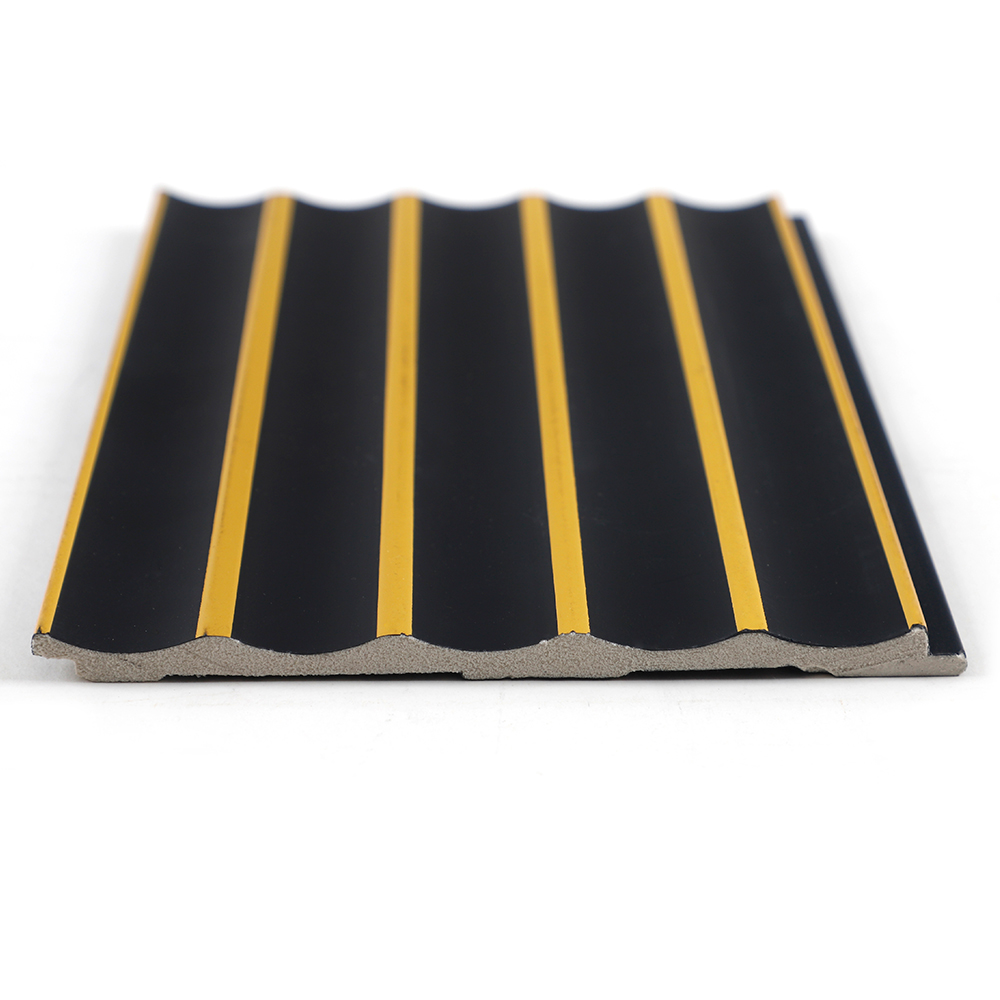
Aesthetic expectations have evolved rapidly in commercial interior design. Modern manufacturing techniques rely heavily on highly precise micro-molding technology. Engineers engrave microscopic details directly into the heavy steel extrusion dies. As the molten plastic passes through, it captures these intricate details perfectly. This process creates a visually stunning PS Decorative Wall Panel.
The finished surface accurately mimics complex natural elements. You can easily specify exact replicas of rich oak wood grain. You can choose smooth, cold-touch stone imitations. You can even find matte or high-gloss marble finishes. Manufacturers also produce exceptionally crisp, fluted geometric patterns. These fluted designs dominate modern corporate interiors today.
Material flexibility offers another massive advantage for interior contractors. Rigid natural woods snap violently under bending pressure. Standard MDF cracks when forced around tight radii. Certain polystyrene profiles possess unique elastic properties. They can actually bend slightly without sustaining structural damage. This accommodates curved walls easily. It handles non-standard architectural features seamlessly. Installers can wrap support pillars without splicing the boards. They can finish rounded hallway corners flawlessly.
Weight per square meter heavily influences commercial project logistics. Traditional solid wood carries immense physical mass. Wood-Plastic Composite (WPC) also adds significant dead load to interior walls. High-density polystyrene weighs dramatically less than these legacy alternatives. This substantial weight reduction translates directly into positive operational outcomes. You see the benefits from the shipping yard to the final job site.
Here is a breakdown of the primary operational advantages:
Freight Optimization: Lower shipping expenses result directly from reduced cargo weight. You can fit more square meterage onto a single transport truck.
Site Logistics: Workers easily handle these boards on multi-story projects. They rarely need heavy lifting equipment to move them up stairwells.
Fabrication Speed: Installers execute faster onsite cutting. They only need standard woodworking tools like miter saws and utility knives.
Mounting Efficiency: Rapid mounting requires minimal structural hardware. Workers generally use simple construction adhesive paired with pneumatic brad nails.
Installers appreciate the streamlined process. They measure the wall space. They cut the board to length. They apply a zigzag pattern of construction adhesive to the back. They press it firmly against the drywall. They shoot a few brad nails into the interlocking lip. The process requires very little physical exertion.
Moisture represents the ultimate enemy of interior building materials. High-density polystyrene features a strictly closed-cell structural nature. Water molecules simply cannot penetrate this dense synthetic cellular matrix. It repels liquid water and ambient humidity equally well. This guarantees zero-swelling moisture resistance in demanding environments.
They perform flawlessly in damp commercial basements. They survive aggressive high-humidity tropical climates easily. Standard MDF typically fails rapidly under these exact conditions. It absorbs moisture, swells irreversibly, and crumbles. Natural wood requires constant, expensive sealing to survive ambient humidity. Even sealed wood eventually warps as seasons change. Synthetic polystyrene boards completely ignore these persistent environmental moisture threats. They remain dimensionally stable year after year.
Selecting the right material requires an objective evaluation matrix. We must compare these options across essential commercial decision criteria. Below is a straightforward comparison chart. It focuses directly on Bottom-of-Funnel procurement factors.
| Decision Criteria | Polystyrene (PS) | Wood-Plastic Composite (WPC) | Polyvinyl Chloride (PVC) | Natural Wood |
|---|---|---|---|---|
| Weight Profile | Very Light | Heavy | Light | Moderate to Heavy |
| Moisture Resistance | Excellent (Zero Swelling) | High | Excellent | Poor (Requires Sealant) |
| 3D Texture Quality | Ultra-High Fidelity | Moderate to High | Low (Often looks printed) | Authentic / Natural |
| Acoustic Feel | Solid, dampened sound | Solid, dense sound | Hollow, plastic echo | Solid, natural acoustic |
PS vs. WPC (Wood-Plastic Composite): Both materials offer excellent daily durability. However, they serve slightly different primary functions. PS is generally much lighter. It offers significantly sharper 3D surface finishing. The micro-molding process for polystyrene yields crisper aesthetic details. WPC offers slightly higher structural rigidity. Builders often prefer WPC for severe high-impact zones like busy public transit hubs.
PS vs. PVC (Polyvinyl Chloride): Many legacy contractors still specify standard PVC. However, hollow-core PVC panels often feel terribly cheap. They produce a distinctly "plastic" acoustic echo when tapped. Polystyrene provides a much more premium tactile experience. The high-density foam core absorbs sound much better. It eliminates the hollow echo completely.
PS vs. Natural Wood: Natural timber provides undeniable authentic charm. It features unique, unrepeatable visual imperfections. However, it brings massive liabilities. Wood warps violently under temperature changes. It suffers heavily from pest damage. It requires ongoing staining and expensive sealing routines. Synthetic polystyrene eliminates these persistent maintenance burdens entirely. It provides the visual warmth of wood without the operational headaches.
We must demonstrate objective trustworthiness here. We achieve this by clearly highlighting specific material limitations. These synthetic boards are definitely not the right fit for every single scenario. You must understand their physical boundaries before specifying them for a large project.
Impact Tolerance: Manufacturers engineer these boards for impressive daily durability. They handle standard office wear gracefully. However, severe sharp impacts can dent standard polystyrene boards. You should avoid installing them in harsh industrial warehouse corridors. Forklifts, heavy metal carts, and careless pallet jacks will easily damage the textured laminate. They function perfectly as a decorative interior finish instead. Corridors in corporate offices or hospitality lobbies represent their ideal environment.
Temperature & UV Exposure: Engineers design these specific products exclusively for climate-controlled interior use. Prolonged exposure to direct, harsh UV rays degrades the polymer structure. Direct sunlight causes the laminate films to fade prematurely. Extreme heat sources also cause significant physical deformation. You must strictly avoid placing them right next to an active fireplace insert. They will warp, melt, or discolor unless specifically UV-treated and heat-shielded.
Substrate Requirements: The physical installation happens incredibly fast. However, the boards require strict surface preparation first. You need a relatively flat, properly primed substrate. This ensures optimal adhesive bonding across the entire back surface. Uneven drywall causes the boards to sit poorly. Wavy walls create visible gaps at the interlocking seams. Professional installers always use a laser level to verify wall flatness first.
Here are some common mistakes to avoid during implementation:
Skipping the substrate leveling process before applying construction adhesive.
Using cheap, low-tack adhesive instead of premium polyurethane construction glue.
Failing to leave a tiny expansion gap at the floor and ceiling lines.
Installing standard interior boards on outdoor patios exposed to direct sun.
The global supply chain floods the market with varying product qualities. You need a highly reliable framework to evaluate potential manufacturing partners.
Manufacturing Transparency: Smart commercial buyers look for highly transparent suppliers. Reliable manufacturers openly disclose their specific extrusion processes. They must eagerly share their virgin versus recycled material ratios. Factory floors often mix recycled plastics to cut raw material expenses. Higher recycled content can sometimes reduce the overall panel lifespan. It may also negatively impact indoor air quality due to unknown plastic additives. You should demand a high percentage of virgin polystyrene for premium projects.
Lamination Quality: You must carefully assess the decorative film bonding technique. The visual appeal relies entirely on this thin top layer. Poor quality films rely on weak cold adhesives. They eventually peel at the corners. Premium factories utilize intense thermal bonding instead. They often use high-grade PVC or PET films. These high-quality films become permanently heat-fused directly to the rigid core. This creates a highly scratch-resistant and visually stunning surface.
Compliance and Safety: You must always verify local building code compliance. Ensure the boards meet strict local fire retardancy standards. Commercial buildings usually require specific Class A, B, or C fire ratings. This depends entirely on your regional safety regulations. You must check the official technical data sheets. Look specifically for low-VOC testing certificates. This guarantees indoor air safety for the future building occupants.
We can confidently summarize the ideal commercial use cases. A PS Wall Panel remains an optimal choice for very specific scenarios. It perfectly suits interior projects requiring high aesthetic impact. It firmly supports strict material budget control. It allows for extremely rapid onsite installation. You simply need an interior environment free from heavy industrial wear.
We strongly encourage proactive buyers to take immediate action. Request physical material samples directly from your shortlisted suppliers. Review their Technical Data Sheets carefully to verify accurate fire ratings. Calculate your total landed material costs accurately. Factor in the drastically reduced labor expenses. Complete these vital checks before finalizing your next architectural specification.
A: Yes, you can install them over existing surfaces. You must ensure the surface remains completely stable and clean first. Use the correct high-tack construction adhesive to guarantee a secure, permanent bond. Removing peeling wallpaper is highly recommended before applying any adhesive to prevent future detachment.
A: Generally, you cannot paint them successfully. They come pre-finished from the factory covered in a durable decorative laminate. Painting requires specialized adhesion primers. Most manufacturers usually do not recommend painting over the resilient factory finish, as standard paints will quickly peel off the smooth laminate.
A: Maintenance requires very minimal effort. You only need standard non-abrasive household cleaners. Wipe the surface gently using a simple damp microfiber cloth. You must avoid harsh chemical solvents like bleach or acetone. Strong solvents could easily degrade, discolor, or melt the decorative laminate film.
A: Yes, high-quality commercially certified boards are completely safe for indoor environments. They remain highly chemically stable and completely non-toxic. They emit near-zero Volatile Organic Compounds (VOCs) once fully cured at the factory. Buyers must always verify these specific safety certifications directly from their chosen supplier.


