


English
Views: 0 Author: Site Editor Publish Time: 2026-08-26 Origin: Site


Modern interior design is moving rapidly away from plain drywall. Designers and builders now demand highly textured, architectural surfaces. They need modern materials to elevate spaces quickly. This shift is heavily driven by tight project deadlines. It also stems from a strong desire to reduce structural loads on building frames. Heavy traditional materials slow down progress and add complexity. You need innovative materials combining stunning aesthetics and much faster installation. This guide provides an objective, evidence-based evaluation framework. We focus on selecting and implementing lightweight polystyrene panels. We explore material capabilities for both residential and commercial spaces. You will see direct comparisons between polystyrene and alternative polymers. We also cover the harsh realities of installation and outline strict procurement criteria. By the end, you will have the exact knowledge required. You can then make confident, highly informed purchasing decisions for your next major interior upgrade.
A traditional commercial interior renovation takes weeks using standard drywall. The finishing process requires extensive labor. You must tape joints, apply multiple mud coats, and wait. Sanding spreads fine dust everywhere across the site. It forces costly site closures and extensive cleaning. Textured panels eliminate these messy steps entirely. Installers simply measure, cut, and apply adhesive. They secure the panels directly to existing flat substrates. This streamlined process slashes installation man-hours dramatically. You can reopen spaces much faster. Less labor translates directly into significant upfront savings. We see this consistently in fast-paced retail and hospitality projects.
Heavy architectural materials demand strong structural backing. Solid wood fluting requires expensive framing reinforcements. Natural stone cladding demands heavy-duty mechanical anchors. A lightweight PS Wall Panel weighs significantly less per square foot. It allows you to create dramatic ceiling or wall features effortlessly. You completely avoid expensive engineering modifications. The underlying building structure experiences minimal stress. Designers can freely apply deep textures to non-load-bearing partition walls. You achieve visual gravity without the physical burden. This flexibility changes how architects approach interior volumes.
Achieving high-end interiors used to drain construction budgets instantly. Authentic fluted wood profiles cost a massive premium. Intricate 3D geometric shapes required custom, time-consuming carpentry. Polymers change this financial dynamic completely. You secure premium wood-look aesthetics for a fraction of the upfront investment. You achieve stunning matte textures effortlessly. Projects stay strictly on budget. They still look incredibly expensive and bespoke. You maximize visual impact without compromising financial viability. This makes textured polymer panels a highly attractive specification choice.
Polystyrene thrives in highly specific decorative applications. It excels at creating crisp, extruded 3D shapes. It is the premier choice for fluted wood alternatives. You also get stunning matte textured finishes mimicking painted timber. The manufacturing process allows for deep, sharp architectural profiles. Polystyrene also absorbs sound slightly better than denser plastics. It reduces room echo subtly. You should specify it for accent walls, headboards, and lobby features. It provides incredible visual depth in dry indoor environments.
Standard PVC performs differently than polystyrene. It handles high-impact environments exceptionally well. It features a denser, more rigid core structure. You should specify a standard PVC wall panel in commercial kitchens. They also work perfectly for public shower surrounds. They survive direct water contact without degrading. Polystyrene resists moisture, but PVC acts as an absolute barrier. Always choose standard PVC where walls take physical abuse or frequent washing.
Polystyrene is ideal for wood grains and 3D geometric textures. However, achieving a highly realistic stone finish requires different chemistry. You usually need a PVC marble sheet for authentic veining. A printed PVC film marble panel also works beautifully for matte stone aesthetics. Mimicking polished stone demands strict industry standards. A high gloss PVC marble sheet provides that exact mirror-like reflection. Alternatively, choose a specialized PVC marble wall panel for unmatched durability. Polystyrene simply cannot match this glossy, cold-stone aesthetic. It offers better acoustic and 3D profile properties instead.
Polymer Wall Material Comparison Chart
| Material Category | Primary Aesthetic Strength | Ideal Application Environment | Water Resistance Level |
|---|---|---|---|
| Polystyrene (PS) | Wood fluting, crisp 3D geometric matte shapes | Dry areas, accent walls, ceilings, lobbies | Moisture-resistant (Splash-proof) |
| Standard PVC | Smooth solid colors, utility finishes | Commercial kitchens, high-traffic corridors | Fully Waterproof |
| High-Gloss PVC | Polished marble, reflective natural stone | Luxury retail, bathrooms, feature walls | Fully Waterproof |
Lightweight should never mean brittle or fragile. You must test sample durability rigorously. Press your thumbnail firmly into the panel core. High-quality polystyrene resists deep indentations. Assess the core density before ordering in bulk. Drop a sample from waist height onto a hard floor. It should not shatter or chip easily. Lower-density panels dent during routine vacuuming or furniture movement. Always request density specifications from the manufacturer. Demand a high-density core for any high-traffic residential installation.
The decorative film provides the aesthetic magic. You must inspect the lamination quality closely. Pick at the edges of your physical sample. Poorly laminated films peel away easily under minor friction. High-quality lamination prevents long-term delamination. Hot-stamping and premium cold-glue wrapping are acceptable industry methods. Ask your supplier about their exact lamination process. A durable surface film resists fading under ambient indoor lighting. It also withstands gentle cleaning using mild household detergents.
Sustainable materials matter heavily in modern construction. Demand low VOC (Volatile Organic Compound) emissions from your suppliers. Look for panels containing recycled polystyrene content. Indoor air quality certifications ensure occupant safety. These metrics separate premium products from cheap, toxic alternatives. Poor quality polymers off-gas heavily, causing prolonged indoor odors. Check for universally recognized eco-certifications. Responsible manufacturers proudly display their environmental compliance testing data. You must verify these claims before placing large commercial orders.
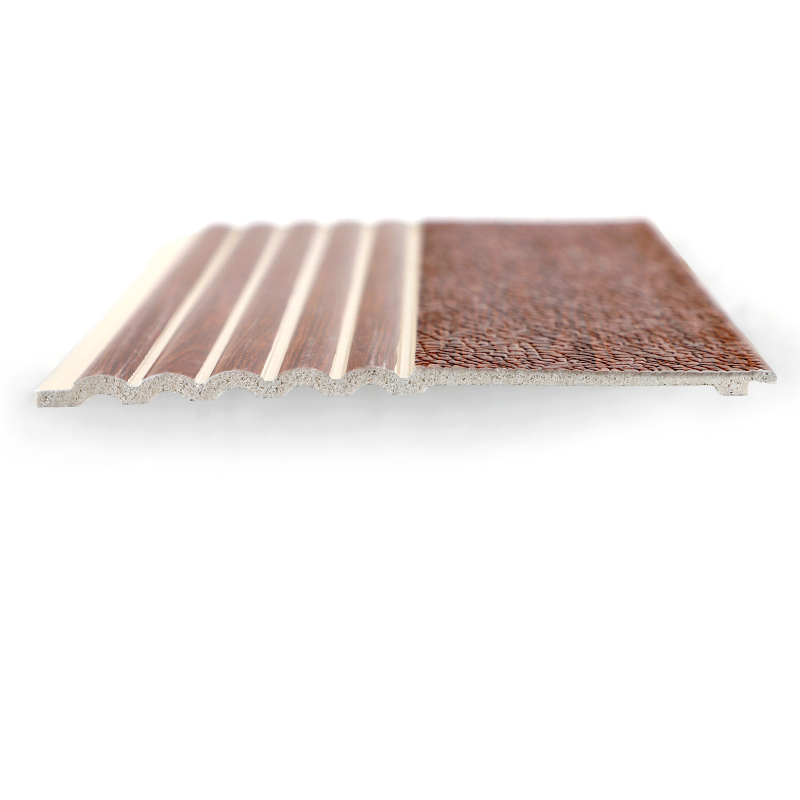
Let us dispel the popular "install over anything" myth immediately. Polystyrene panels require specific wall conditions for success. The wall must be strictly plumb and level. It must also be completely dry and clean. Uneven walls cause visible seam gaps between interlocking panels. Remove all loose paint or peeling wallpaper first. Sand down prominent drywall bumps. Wipe away construction dust thoroughly. Adhesives fail quickly on dusty surfaces. Proper prep guarantees a flawless, long-lasting architectural finish.
You cannot use just any glue found on site. Specify construction adhesives perfectly compatible with polystyrene. Solvent-based glues are highly destructive. They will literally melt the plastic material from behind. This chemical reaction ruins the decorative face within hours. Use high-quality, water-based or specialized polymer adhesives. Neutral-cure silicone also works well for smaller decorative installations. Always verify adhesive compatibility by testing a small scrap piece first. Apply adhesive in a snake-like pattern for maximum surface grip.
Polymers expand and contract naturally as temperatures change. You must address this physical reality during installation. Never butt panels tightly against rigid adjacent walls. Leave proper expansion gaps at the ceiling and floor margins. Correct joint management prevents severe buckling over time. Do not trap the panels tightly between unyielding surfaces. Baseboards and crown moldings easily hide these necessary expansion gaps. Acclimate the panels inside the installation room for 48 hours prior to cutting.
Large commercial rollouts require strict visual uniformity. Order your entire project volume from a single production batch. Separate manufacturing batches often show slight color or texture variations. These minor differences become glaringly obvious on a large, continuous wall. Discuss batch guarantees with your supplier early. Ensure they hold enough raw material to complete your order simultaneously. Reputable suppliers track batch numbers diligently. They understand the critical nature of seamless aesthetic matching across massive architectural spaces.
Always evaluate physical samples before placing bulk container orders. Never trust digital renders alone. Use this specific hands-on checklist:
Custom finish requests look fantastic on design boards. However, they complicate standard inventory lead times significantly. You must balance these unique requests against overseas logistics costs. Understand the Minimum Order Quantity (MOQ) early in factory negotiations. Custom colors often require massive MOQs to justify production runs. Standard inventory colors ship much faster and in smaller quantities. Plan your procurement schedule allowing for potential shipping delays. Fast-track projects usually rely strictly on in-stock, standard finishes.
Lightweight polystyrene panels offer a highly efficient interior solution. They add modern architectural texture rapidly. They perform beautifully when applied in the correct context. You avoid the heavy labor associated with traditional drywall finishing. You also avoid the structural loads imposed by heavy wood or stone. However, you must install them with strict rigor. Proper substrate preparation and correct adhesives remain non-negotiable.
Start by auditing your exact project requirements today. Decide firmly between a matte 3D texture and a high-gloss stone aesthetic. Request physical samples immediately to perform your durability tests. Finally, verify all technical specifications and environmental certifications with your shortlisted manufacturers. Confident procurement leads directly to flawless architectural execution.
A: Standard polystyrene panels are combustible. Fire-rated panels contain specialized additives. Advise buyers to request specific fire test reports from the manufacturer. Look for Class A or Class B certifications. Always cross-reference these ratings against your local commercial building codes before purchasing.
A: Polystyrene is highly moisture-resistant. However, it is better suited for decorative accent walls in dry or well-ventilated areas. Direct water exposure inside showers degrades the material over time. Direct water contact strictly calls for a waterproof PVC marble wall panel.
A: You must use fine-tooth saws or specialized polymer cutting tools. Always cut from the back of the panel. This prevents the saw teeth from tearing the decorative face film. Apply painter's tape along the cut line to further reduce edge chipping.


