


English
Views: 0 Author: Site Editor Publish Time: 2025-09-28 Origin: Site


Are you looking to transform your home with stylish, durable wall panels? WPC wall panels offer an innovative solution, combining the natural beauty of wood with the resilience of plastic. Choosing the right wall panels is crucial for enhancing your home's aesthetic and functionality. In this post, you'll learn about the top 5 benefits of WPC wall panels, including their durability, aesthetic appeal, easy installation, eco-friendly properties, and cost-effectiveness.
WPC wall panels are made from Wood Plastic Composite, a blend of wood fibers and plastic polymers. This mix results in a material that combines the natural look of wood with the durability of plastic. Typically, WPC panels consist of recycled wood and plastic, making them both sturdy and eco-friendly. The manufacturing process involves extrusion or molding, which shapes the composite into panels suitable for wall applications. These panels are designed to resist moisture, insects, and decay, making them ideal for various indoor and outdoor settings.
Traditional wall panels often use materials like pure wood, gypsum, or PVC. While wood panels offer a classic look, they require regular maintenance to prevent warping, rotting, or termite damage. Gypsum panels are lightweight but vulnerable to moisture and impact. PVC panels resist water but may lack the natural texture and strength of wood. WPC panels strike a balance by offering the aesthetic appeal of wood without its common drawbacks. They are more resistant to water, do not warp easily, and require less upkeep. Unlike pure plastic panels, WPC provides better structural strength and a more natural finish.
Homeowners choose WPC wall panels for several reasons. First, they want a durable option that lasts longer without frequent repairs. WPC panels also enhance the visual appeal of homes thanks to their wood-like texture and variety of finishes. The panels are easy to install, saving time and labor costs. Additionally, eco-conscious homeowners appreciate that WPC uses recycled materials, reducing environmental impact. Overall, WPC panels offer a smart, stylish, and sustainable solution for modern homes.
Tip: When selecting WPC panels, check the wood-to-plastic ratio to ensure the best balance of durability and appearance for your project.
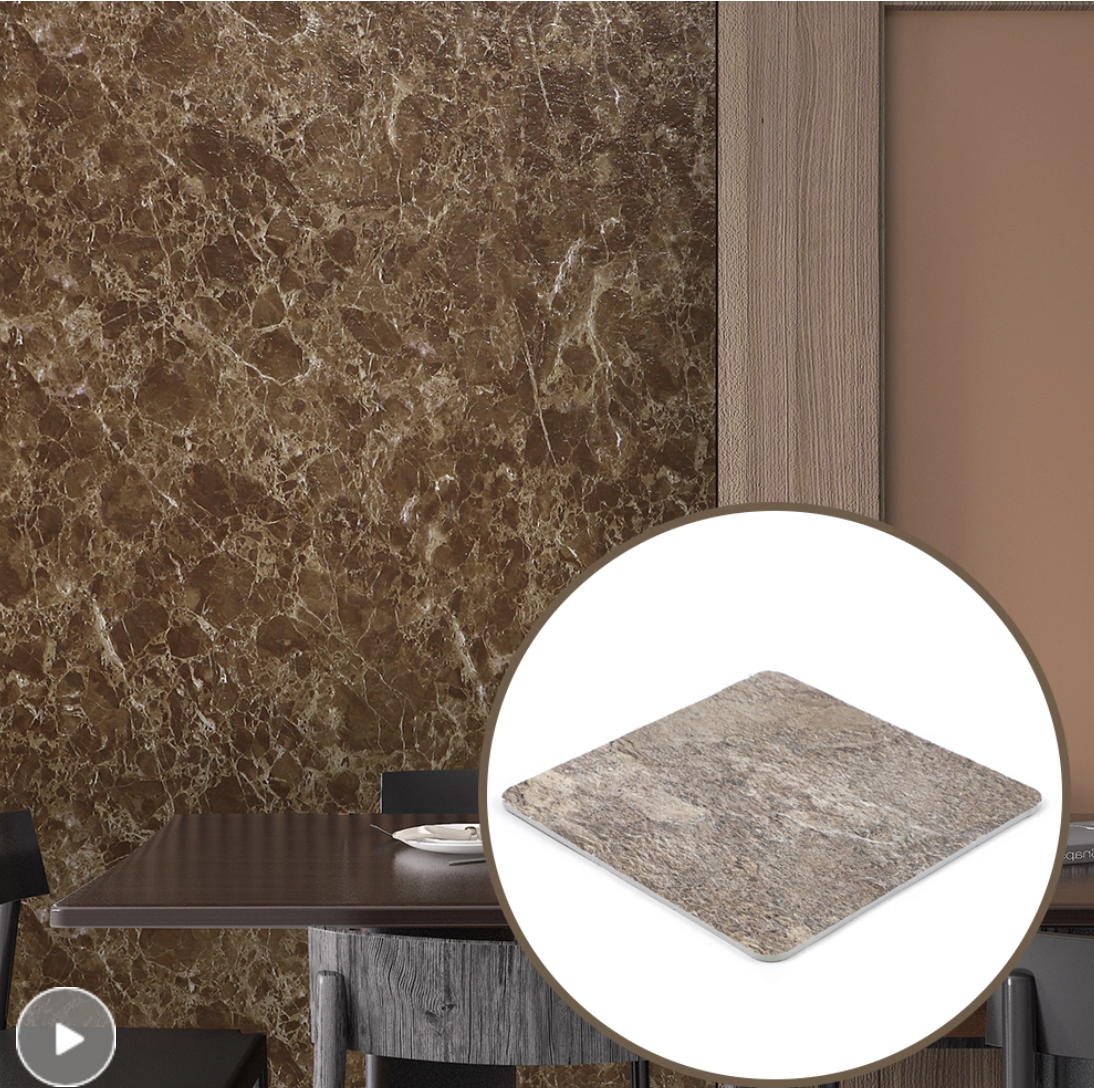
WPC wall panels are highly durable due to their unique composition of wood fibers and plastic polymers. This blend makes them resistant to common issues like cracking, warping, and chipping that often affect traditional wood panels. Unlike pure wood, WPC panels do not absorb moisture, preventing swelling or rotting over time. They also withstand impacts better than gypsum or PVC panels, maintaining their structural integrity even in high-traffic areas. This resistance to wear and tear ensures that walls stay looking fresh and intact for years.
Durability directly influences maintenance costs. Because WPC panels resist moisture, insects, and physical damage, homeowners spend less on repairs and replacements. Traditional wood panels may require periodic sealing, painting, or treatment against termites, adding to long-term expenses. Gypsum panels often need patching after dents or water damage. In contrast, WPC panels need minimal upkeep — usually just cleaning with a damp cloth. Over time, this reduces the total cost of maintaining home interiors or exteriors, making WPC a smart investment.
WPC wall panels come in a wide range of designs and colors, offering homeowners plenty of choices to match their style. Whether you prefer a natural wood grain look, a sleek modern finish, or bold colors, WPC panels can deliver. Manufacturers produce panels that mimic different wood species, textures, and grains, making it easy to achieve the exact look you want. Additionally, many panels come in neutral shades like beige, gray, or white, as well as vibrant tones, so you can create unique accent walls or blend seamlessly with existing decor.
WPC panels add warmth and character to any room. Their wood-like texture brings a cozy, inviting feel that plain painted walls often lack. Because they resist moisture and fading, these panels maintain their fresh appearance over time, keeping your interiors attractive year after year. The panels’ smooth finish also reflects light softly, brightening spaces and making them feel larger and more open.
Customization is another strong point of WPC panels. You can cut them into different shapes and sizes to fit your wall perfectly. Some brands offer panels with grooves or patterns that add depth and visual interest. If you want to go further, you can paint or stain WPC panels to tailor their color or finish even more. This flexibility allows homeowners and designers to create personalized looks that stand out. Moreover, WPC panels can be combined with other materials like stone or metal accents for a layered, sophisticated effect.
Note: When selecting WPC panels for aesthetics, consider the lighting and room size to choose colors and textures that enhance your space’s mood and style.
Installing WPC wall panels is straightforward and user-friendly, even for DIY enthusiasts. Here’s a simple step-by-step guide:
1. Prepare the Surface: Ensure the wall is clean, dry, and smooth. Remove any old wallpaper, nails, or debris.
2. Measure and Plan: Measure the wall dimensions and plan panel placement to minimize cutting and waste.
3. Cut Panels to Size: Use a fine-toothed saw or utility knife to cut panels to the required dimensions.
4. Apply Adhesive or Fixings: Depending on the panel type and wall surface, apply construction adhesive or use screws/nails to secure panels.
5. Place the Panels: Start from a corner and press the panel firmly against the wall. Use spacers if needed for expansion gaps.
6. Secure and Align: Fix the panels in place using nails or screws through the tongue-and-groove edges or pre-drilled holes.
7. Finish Edges: Use trim or molding to cover gaps and create a polished look.
8. Clean Up: Wipe the panels to remove dust or adhesive residue.
This process typically requires less time than traditional wall cladding methods, making it suitable for quick renovations.
To install WPC wall panels efficiently, you’ll need a few basic tools:
● Measuring tape and pencil for accurate measurements.
● Fine-toothed saw or utility knife for cutting panels.
● Drill or screwdriver for fixing screws or nails.
● Level to ensure panels are straight.
● Adhesive suitable for WPC panels and wall type.
● Hammer or nail gun if using nails.
● Spacers for maintaining consistent gaps.
● Protective gloves and safety goggles for safety.
Having these tools ready helps avoid delays during installation.
Avoid these pitfalls to ensure a smooth installation:
● Skipping Surface Preparation: Uneven or dirty walls can prevent panels from adhering properly.
● Incorrect Measurements: Measure twice, cut once to avoid wasted material.
● Ignoring Expansion Gaps: WPC panels expand and contract; neglecting gaps can cause buckling.
● Using Wrong Adhesive or Fixings: Use products compatible with WPC to avoid damage or poor adhesion.
● Over-tightening Screws or Nails: This can crack or deform panels.
● Not Leveling Panels: Misaligned panels affect the overall appearance.
● Rushing the Process: Take time to align and secure panels properly for best results.
Following the correct steps and avoiding these errors ensures your WPC wall panels look great and last long.
Tip: Always check the manufacturer’s installation instructions, as some WPC panels may require specific adhesives or fixing methods for optimal performance.
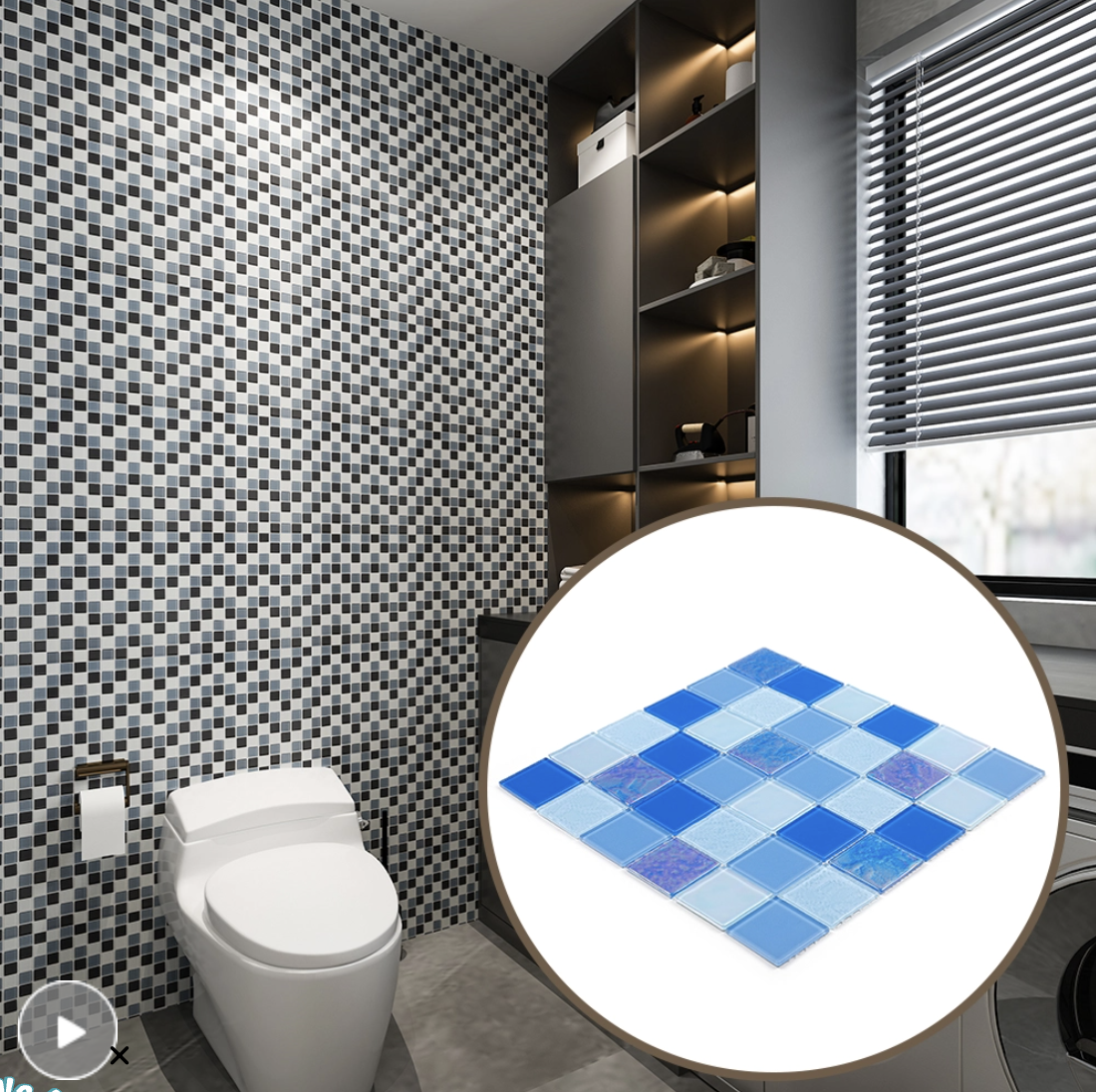
WPC wall panels are crafted mainly from recycled wood fibers and plastic polymers. This combination not only recycles waste materials but also reduces the demand for virgin timber and new plastic production. The wood fibers often come from sawdust or wood chips leftover from other manufacturing processes, while the plastic component typically includes recycled polyethylene or polypropylene. This blend creates a composite material that repurposes waste, giving it a new life as durable wall panels. Using recycled inputs helps conserve natural resources and reduces landfill waste, making WPC panels a greener choice for homeowners.
Compared to traditional wood panels, WPC panels have a lower environmental footprint. Wood harvesting can lead to deforestation and habitat loss, but WPC uses wood waste, minimizing those effects. Unlike pure plastic panels, WPC’s inclusion of wood fibers reduces plastic content and the associated carbon emissions during production. Moreover, WPC panels resist moisture and decay, reducing the need for chemical treatments like preservatives or paints that can harm the environment. Gypsum panels, while recyclable, often require energy-intensive manufacturing and aren’t as durable, leading to more frequent replacements. Overall, WPC panels balance durability and sustainability better than many alternatives.
WPC panels support sustainable living by promoting resource efficiency and reducing waste. Their long lifespan means fewer replacements, cutting down on material consumption over time. They also help lower energy use in homes by providing insulation benefits, which can reduce heating and cooling needs. Because WPC panels resist pests and moisture naturally, they reduce the reliance on harmful chemical treatments. At the end of their life cycle, many WPC panels can be recycled again, closing the loop in the product lifecycle. Choosing WPC panels aligns with eco-conscious home improvements, helping homeowners reduce their carbon footprint while enjoying stylish, durable interiors.
Tip: When selecting WPC wall panels, look for products certified for recycled content and low VOC emissions to ensure you choose the most eco-friendly option available.
Choosing WPC wall panels involves an initial investment that may be slightly higher than some traditional materials like gypsum or basic PVC panels. However, this upfront cost is balanced by significant long-term savings. WPC panels require minimal maintenance, eliminating frequent repainting, sealing, or repairs common with wood or gypsum alternatives. Their resistance to moisture and pests reduces the risk of costly damage. Over time, homeowners save on labor, materials, and replacement expenses, making WPC panels a financially smart choice. The durability and low upkeep translate into a better return on investment, especially in areas prone to humidity or wear.
When compared to traditional wood panels, WPC panels offer superior cost-effectiveness due to their longevity and low maintenance. Wood panels often demand regular treatment against termites and rot, which adds to ongoing expenses. Gypsum panels, while inexpensive initially, can incur higher costs due to vulnerability to moisture damage and breakage. PVC panels may have a lower price but often lack the durability and aesthetic appeal of WPC, leading to earlier replacements or upgrades. WPC panels strike a balance by combining durability, style, and sustainability at a competitive price point, reducing the total cost of ownership over time.
Consider a homeowner who replaced old wooden panels in a living room with WPC wall panels. Though the initial cost was 15% higher, the homeowner avoided annual repainting and termite treatments, saving hundreds over five years. Another example involves a family in a coastal region opting for WPC exterior panels. Despite the salty air and frequent storms, their walls needed no repairs or replacements for over a decade, unlike neighbors who spent thousands on wood panel maintenance. These real-life cases highlight how WPC panels reduce long-term expenses, proving their cost-effectiveness beyond just the purchase price.
Tip: When budgeting for wall paneling, factor in maintenance, repair, and replacement costs over time to see the true value of choosing WPC panels.
WPC wall panels offer durability, aesthetic appeal, easy installation, eco-friendliness, and cost-effectiveness, making them a smart choice for homeowners. They resist wear and tear, provide diverse design options, and are simple to install, reducing maintenance costs significantly. By opting for WPC panels, you contribute to sustainable living while enjoying long-term savings. Consider choosing WPC panels from Demax for their unique blend of style and sustainability, ensuring your home remains beautiful and efficient.
A: WPC wall panel installation involves fitting Wood Plastic Composite panels onto walls, offering a durable and aesthetic alternative to traditional materials.
A: WPC wall panels provide superior durability, moisture resistance, and low maintenance compared to wood, gypsum, and PVC panels.
A: While the initial investment may be higher, WPC panels offer long-term savings through reduced maintenance and replacement costs.
A: Essential tools include a saw, drill, adhesive, level, and measuring tape for effective installation.


