


English
Views: 0 Author: Site Editor Publish Time: 2026-04-28 Origin: Site


Mosaic tile has evolved far beyond its ancient decorative roots. Today, it stands as a highly functional, high-performance architectural finish capable of transforming almost any living space. When planning a renovation, homeowners and designers face a critical decision-stage challenge. You must carefully balance striking aesthetic goals against material durability, complex installation demands, and strict maintenance requirements. Selecting the incorrect finish for a demanding environment often leads to premature wear, structural compromise, or hidden water damage.
This guide provides a concrete evaluation framework to help you navigate these important choices. We will explore how to select and apply these materials based on specific environmental demands, your budget constraints, and long-term viability. You will learn exactly where these installations succeed structurally, how to choose the right material composition, and how to avoid costly implementation mistakes during your next home design project.
Mosaic tile is uniquely suited for wet environments and complex architectural geometries due to its flexibility and high grout-to-tile ratio, which provides natural slip resistance.
Material composition (glass, natural stone, porcelain) dictates the application zone; porosity and thermal tolerance must align with the intended environment.
Intricate patterns, such as a floral mosaic tile, act as localized focal points but require precise substrate preparation and specialized labor.
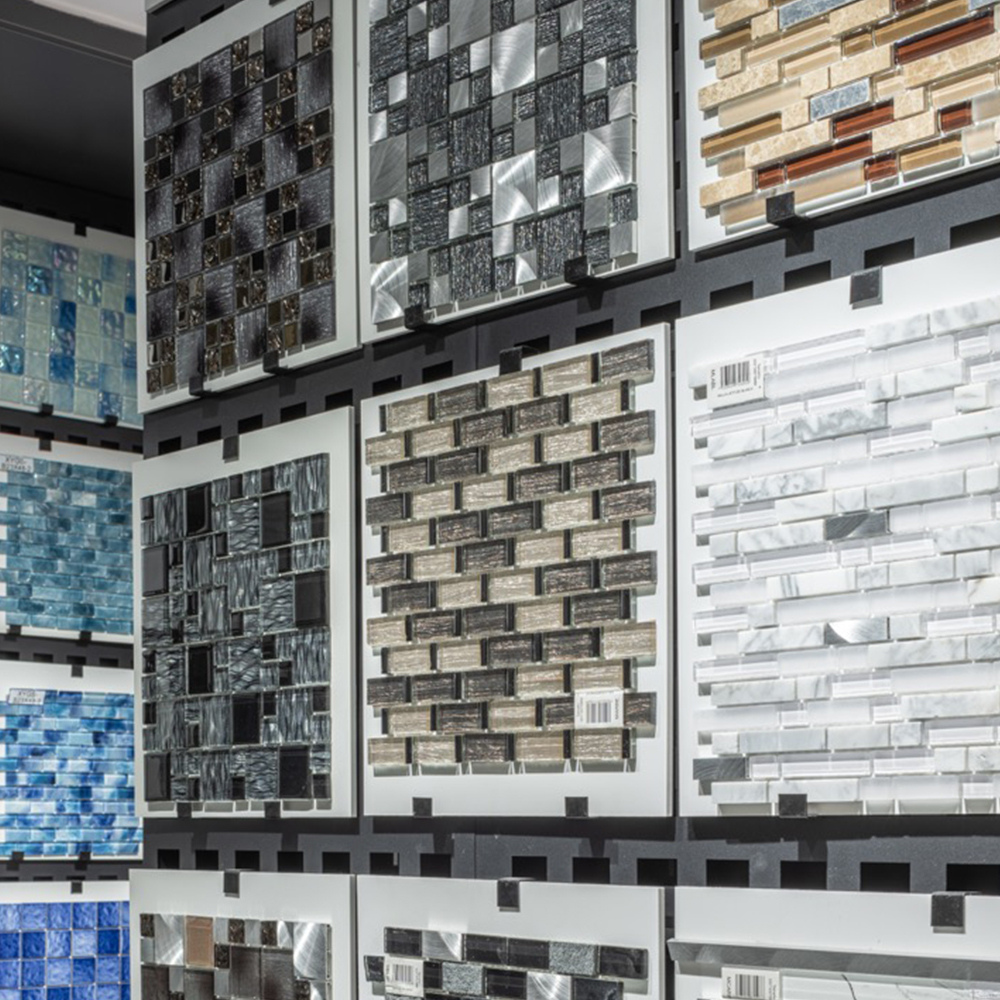
Architects and builders rely on mosaic sheets for specific structural reasons. Manufacturers typically mount these small tiles onto 12x12-inch mesh backings. This flexible matrix allows the material to bend and conform to challenging surfaces. A high-quality Mosaic Tile easily wraps around curved architectural elements. You can seamlessly cover cylindrical columns, arched alcoves, and sloped shower pans. Large-format tiles completely fail in these geometric scenarios because they cannot bend without extensive, unsightly cuts.
You must establish clear success criteria before purchasing materials. Professional installers evaluate mosaics using strict engineering standards. Your chosen material must meet the following performance benchmarks:
Performance Metric | Industry Standard | Ideal Target for Home Design |
|---|---|---|
Slip Resistance | Dynamic Coefficient of Friction (DCOF) | > 0.42 for any wet or sloped floor application. |
Moisture Absorption | ANSI A137.1 Rating | < 0.5% (Impervious category) for showers and pools. |
Thermal Expansion | ASTM C372 Standards | Material must withstand localized heat cycles (fireplaces). |
Strategic placement directly impacts your property value. Real estate markets reward timeless applications. Classic subway mosaics, simple hex patterns, and neutral tones age beautifully. Conversely, hyper-trendy colors or disjointed installations often age poorly. They risk alienating future buyers. You maximize your design return on investment by selecting historically grounded patterns for permanent fixtures while saving trendy colors for easily replaceable elements like paint.
Wet environments demand aggressive traction. Mosaics excel here because they require a high frequency of grout joints. The grout grid physically grips bare feet. This creates a naturally slip-resistant floor. When designing a shower, you must compare material behaviors. Glass mosaics offer zero water absorption. They are completely impervious. However, glass highlights hard water spots and soap scum. Matte porcelain presents a superior alternative for shower floors. It hides water spots, requires less daily cleaning, and provides excellent underfoot grip.
Pool line applications introduce extreme environmental stressors. Submerged tiles face constant UV exposure and harsh pool chemicals. You must verify chemical tolerance ratings before specifying any material for outdoor water features.
Designers frequently use floor-to-ceiling accent walls to manipulate spatial perception. A continuous vertical mosaic in a small powder room draws the eye upward. This technique makes cramped spaces feel significantly larger. Fireplace surrounds offer another excellent focal point. You must prioritize thermal tolerance here. Ceramic and dense natural stones handle heat cycles safely. Always verify safe clearance requirements with your firebox manufacturer before applying any combustible backing materials near the heat source.
Your material choice dictates your future maintenance schedule. Align the specific features of each composition to your expected lifestyle outcomes.
Glass: This material optimizes light reflection. It offers a non-porous, highly hygienic surface. Risk: Glass shows surface scratches easily. It also requires a highly specific bright white thin-set mortar. Standard gray mortar will shadow through the translucent glass and ruin the final color.
Natural Stone (Marble, Travertine): Stone delivers premium, unmatched organic textures. It feels luxurious underfoot. Risk: These porous materials require rigorous, ongoing sealing protocols. Acidic household liquids (like lemon juice or vinegar) will permanently etch the surface.
Porcelain and Ceramic: Consider these the utility baseline. They offer incredibly high durability and low maintenance. Advanced manufacturing now allows porcelain to mimic wood, stone, or concrete, giving you broad design versatility.
Pattern selection drastically alters the installation timeline. Standard geometric patterns, such as hexagons or herringbones, offer predictable installation rhythms. Organic or bespoke patterns require intense precision. Evaluating the integration of a floral mosaic tile or a custom mural requires careful planning. We recommend isolating these high-complexity patterns. Frame them as localized "rugs" embedded in the floor, or picture-frame them on a wall. This strategy prevents visual fatigue. It also heavily controls material and labor costs by limiting the square footage of the most expensive elements.
Your finished surface will only be as flat as the wall beneath it. Small tiles telegraph every single imperfection. You must ensure a perfectly plumb and level substrate. A wavy wall results in a distorted, amateur-looking finish. In wet zones, substrate preparation includes mandatory waterproofing. You must apply a reliable waterproofing membrane over the substrate before any mortar touches the wall. Liquid-applied elastomeric membranes and physical sheet membranes both effectively prevent catastrophic moisture intrusion.
Many homeowners ignore the reality of grout. Mosaic installations often consist of up to 50% grout lines by surface area. The grout you select is just as important as the tile itself.
Cementitious Grout: This standard option is affordable and easy to install. However, it is highly porous. It requires regular chemical sealing and remains susceptible to deep staining over time.
Epoxy Grout: This advanced resin-based material cures into a plastic-like state. It is highly durable, completely waterproof, and entirely stain-proof. It never requires sealing. However, it cures very rapidly. You must hire an installer with specific epoxy expertise to avoid ruining the tile face.
Setting standard large-format tiles is fundamentally different from installing mosaics. Mesh-backed sheets present unique challenges. The sheets often sag on vertical surfaces. The individual squares can easily fall out of alignment during the setting process. You must factor in the costs for premium non-sag setting materials. Expect increased labor hours. Your contractor needs extra time to manage mesh alignment, ensure consistent grout joint spacing between separate sheets, and clean the numerous tiny joints before grouting.
Do not buy purely on aesthetics. You must cross-reference your intended application zone with standardized ratings.
Check the Porcelain Enamel Institute (PEI) wear rating. Use PEI 3 or higher for floors.
Check the water absorption rate. Mandate "impervious" ratings for showers and exterior applications.
Verify the Dynamic Coefficient of Friction (DCOF) rating if the surface will ever get wet.
Never approve a material based on a digital photograph or a showroom display. Showroom lighting uses high-intensity commercial bulbs. We mandate a physical sampling protocol. Purchase a single sheet. Place it in the actual room intended for renovation. Observe the color shifts during bright daylight. Check it again at night under your specific artificial lighting. Watch for unwanted glare on glossy finishes.
Your project succeeds or fails based on your contractor. General carpenters should not install intricate tile work. Use strict criteria for hiring. Ask to see a verifiable portfolio showcasing mosaic-specific installations. Look closely at their past grout lines. Ensure the spacing between individual sheets seamlessly matches the spacing within the sheets. Ask them specifically about their experience managing mesh-backed sheet alignment and handling epoxy grouts.
Material waste is an unavoidable reality of tile setting. You will lose material to corner cuts, edge trimming, and accidental breakage. Recommend a standard 10% to 15% overage for straight-set square or rectangular rooms. You must scale this allocation up to 20% for highly complex, non-linear patterns or diagonal installations. Having extra material from the exact same dye lot prevents disastrous color mismatches later.
Balance Form and Function: Successful implementation relies equally on stunning aesthetic selection and flawless technical execution.
Audit Your Environment: Physically inspect your intended installation zone for moisture risks, heavy foot traffic, and structural readiness before finalizing any purchase.
Prioritize the Substrate: Invest heavily in leveling your walls and waterproofing your showers to protect the decorative finish above.
A: Matte porcelain and textured glass offer the highest durability for shower floors. Porcelain boasts an extremely low porosity rate, making it virtually impervious to water. Its matte finish also provides excellent natural slip resistance, prioritizing safety in wet environments.
A: Yes, it can significantly increase home value when applied thoughtfully. Neutral palettes and architecturally appropriate materials yield the best return on investment. Highly personalized, trend-heavy colors may alienate future buyers, whereas classic designs offer timeless appeal and better resale potential.
A: It generally requires more effort due to the sheer volume of grout lines. Grout acts as a magnet for dirt and mildew. You can drastically reduce this maintenance burden by selecting premium epoxy grout, which completely resists staining and never requires chemical sealing.


