


English
Views: 0 Author: Site Editor Publish Time: 2026-04-28 Origin: Site


You are likely standing at a crucial crossroad in your project. You need to finalize materials for a renovation. Choosing the right finish often feels overwhelming. We frequently notice a core misconception in the home improvement industry. Consumers often treat "ceramic" and "mosaic" as opposing materials. They pit them against each other. In reality, this comparison is entirely flawed. You are actually comparing a specific material type to a distinct tile format.
Our objective here is simple and direct. We want to provide a realistic, evidence-based framework for your decision. You will learn how to accurately evaluate installation complexity. You will understand the long-term maintenance requirements. We explore these dimensions so you can confidently lock in your material choice. You will leave this guide ready to buy.
Definition distinction: Ceramic is a clay-based material; a mosaic tile is a small-format design (under 2 inches) that can be made of ceramic, glass, stone, or porcelain.
Labor costs: Mosaics carry a significantly higher installation cost and complexity due to mesh-backing and intricate cutting requirements.
Maintenance vs. Safety: Standard large-format ceramics are easier to clean, but the dense grout lines in mosaics provide superior, natural slip-resistance for wet areas.
Best use cases: Large ceramic tiles are ideal for budget-friendly, high-coverage areas; mosaics serve best as high-impact accent walls, curved surfaces, or shower pans.
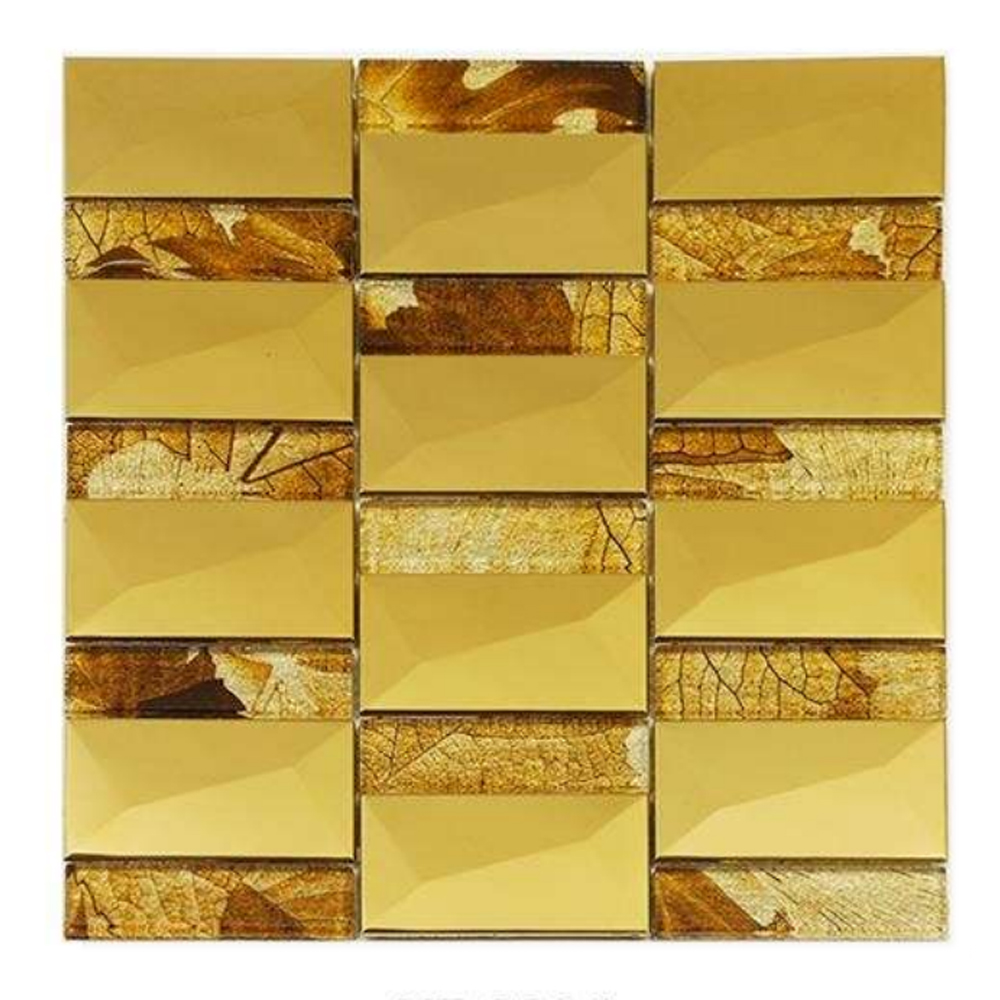
Buyers risk comparing apples to oranges during their shopping phase. You might fall into this trap if you misunderstand the terminology. Many people do not realize a mosaic can actually be ceramic. We must clearly define what these terms mean in the industry.
Professionals define ceramic as a kiln-fired, clay-based material. Manufacturers typically finish them using a protective liquid glass glaze. This glaze hardens in the kiln. It creates a durable, wipeable surface. You usually buy standard ceramics in larger, fixed dimensions. Common examples include 4x16 subway blocks or 12x24 large-format panels.
Mosaic refers strictly to a size and an assembly method. The industry defines a Mosaic Tile by its small dimensions. Each piece typically measures two by two inches or smaller. Manufacturers pre-mount these tiny pieces onto fiberglass mesh sheets. These sheets usually measure one square foot. This mesh backing allows for easier handling.
More importantly, the mosaic format is material agnostic. Ceramic mosaics remain highly popular. However, manufacturers also produce this format in glass, natural stone, and dense porcelain. You are choosing a layout style, not just a baking ingredient.
Feature | Standard Ceramic | Mosaic Format |
|---|---|---|
Core Definition | A clay-based material baked in a kiln. | A small-piece design format mounted on mesh. |
Common Materials | Clay, Glaze. | Glass, Stone, Ceramic, Porcelain, Metal. |
Size Range | 4x4 inches up to 24x48 inches. | Individual chips under 2x2 inches. |
Primary Appeal | Coverage speed and budget control. | Flexibility, grip, and intricate detailing. |
You must evaluate your options across several daily-use dimensions. Let us break down how each option behaves in your home.
We must establish transparent assumptions about moisture. Standard glazed ceramics naturally repel water. They cover a large surface area per block. Water simply beads up and rolls off the glaze. You face very few vulnerable joints.
A mosaic installation introduces a massively high volume of grout lines. Here is the critical truth. The waterproofing bottleneck is the grout. It is never the tile itself. Unsealed or poorly maintained grout will fail long before the tile chips do. Moisture seeps through porous grout. It can ruin your drywall or subfloor. You must commit to strict sealing routines if you choose small pieces.
Standard ceramics have structural limits. They are prone to cracking under heavy, concentrated impacts. Dropping a cast-iron pan on a 12x24 ceramic panel often cracks the entire piece. You must then replace the whole large block.
The small-piece structure of a mosaic behaves differently. It naturally disperses mechanical stress. An impact might shatter one or two tiny chips. However, the damage stops at the grout line. It rarely travels across the entire sheet. You can often chip out and replace individual pieces easily.
Let us look at financial features and practical outcomes. Your material baseline usually favors standard formats. Standard ceramics are generally the most budget-friendly option per square foot. They require less manufacturing precision.
You must also account for the labor tax. Mosaic installations command premium contractor rates. This happens due to the tedious nature of sheet alignment. Workers spend hours ensuring the mesh seams vanish. Furthermore, the sheer volume of grouting required adds massive labor time. Contractors charge for this extra effort.
Many homeowners want to tackle renovations themselves. You need realistic expectations before mixing any mortar.
Large-format ceramics are highly forgiving. They are excellent for first-timers. You can often make straight cuts using a basic manual score-and-snap cutter. You do not need expensive power tools. You spread the adhesive, place the large blocks, and cover ground quickly.
Installing mesh-backed sheets introduces heavy complexity. You should watch out for several known amateur pitfalls.
Cutting complexity: Cutting tiny chips around outlets requires serious tools. You need a wet saw or an angle grinder. Small pieces chip easily if you use manual snappers.
Sagging risks: Mesh sheets carry weight. They can sag down the wall if your mortar consistency is incorrect. You must mix the thinset perfectly.
Seam management: You must place sheets together seamlessly. Achieving invisible seams between mesh squares is a major failure point for amateurs. Bad spacing makes the 12x12 grid obvious.
Edge transitions: Countertop-to-wall transitions need special care. You must utilize flexible silicone caulk here. Do not use rigid grout in corners. Rigid grout cracks immediately when cabinets settle.
Installation Factor | Standard Ceramic | Mosaic Sheets |
|---|---|---|
Cutting Tools Needed | Manual score-and-snap cutter. | Motorized wet saw or grinder. |
Adhesive Handling | Forgiving. Blocks stay where placed. | Strict. Wet mortar causes sheets to sag. |
Grouting Time | Minimal. Large blocks mean fewer lines. | Extensive. Requires working paste into hundreds of joints. |
DIY Rating | Highly Recommended. | Challenging (Best for Advanced DIY or Pros). |
Form follows function in interior design. We use a shortlisting logic to match the material to the room. You should apply these rules to your blueprint.
You should lean on standard sizes for heavy daily use. They are perfect for rental properties. Budget control is a priority criteria here. Daily wipe-down ease also matters. You want to spray and wipe quickly. Large blocks give you this freedom.
You pivot to the mesh-backed format for specific architectural needs.
Curved surfaces: Standard blocks cannot bend. The mesh backing easily wraps around rounded columns. It perfectly hugs curved shower benches.
Wet-area flooring: Showers demand safety. The high density of grout lines acts as an innate anti-slip mechanism. Bare feet grip the textured grout. This makes small pieces the default safety choice for shower pans.
High-End Focal Points: You want visual impact in investment areas. Think about tiny powder rooms or dramatic stove backsplashes. Intricate designs thrive here. A custom flower mosaic tile pattern drives massive visual return on investment. Highly reflective glass pieces bounce light beautifully.
We must address scalability and compliance framing. Let us assume your project dictates a small-format design. You now face the next decision. You must choose between ceramic and porcelain materials for those tiny chips.
Standard clay pieces have higher porosity. They absorb a tiny amount of moisture. They are perfectly adequate for indoor walls. They handle light-traffic floors beautifully. You save money choosing standard clay chips. However, you cannot put them everywhere.
Manufacturers fire porcelain at much higher temperatures. This yields a near-zero water absorption rate. The material becomes incredibly dense. This upgrade is mandatory for exterior applications. They possess crucial freeze-thaw resistance. Trapped water will not freeze and shatter them. They are also strictly required for submerged pool linings. You pay more, but you buy architectural peace of mind.
We promised a realistic framework. You now possess the knowledge to categorize materials correctly. You understand the hidden labor taxes. You know where each option shines.
Final Verdict: Choose standard ceramic tiles for predictable budgets, fast installation, and minimal upkeep. You pivot to a mosaic tile format when the project demands complex curvature. You also use them for shower-floor safety or premium aesthetic depth.
Next-Step Actions:
Audit your project's moisture levels. Determine if you need standard clay or upgraded porcelain.
Decide whether the installation will be a weekend DIY project or a contracted job.
Order physical samples. Test lighting reflection in your actual room during different times of day.
Calculate your total square footage. Always add 10-15% extra for complex cutting waste.
A: Yes. The tiles themselves clean equally well, but the extensive grout network in a mosaic installation attracts dust, grease, and mildew, requiring strict sealing routines.
A: It is highly discouraged unless the specific tile has a certified high friction rating. Small-format mosaics are standard for shower floors because the grout lines provide necessary traction.
A: Regular ceramic. Even if the per-square-foot material cost is identical, mosaics demand specialized cutting tools (wet saws) and significantly more labor hours to align sheets perfectly.


