


English
Views: 0 Author: Site Editor Publish Time: 2025-09-28 Origin: Site


Are you tired of constant wall maintenance and high repair costs? WPC wall panels offer a durable solution. Proper installation is crucial for maximizing their benefits. In this post, you'll learn how to install WPC wall panels step-by-step, ensuring a long-lasting, cost-effective finish. Discover the advantages of these eco-friendly panels and why their price is worth the investment.
WPC stands for Wood Plastic Composite. It is a modern material made by combining wood fibers or wood flour with plastic. This blend results in panels that look like wood but have the durability and moisture resistance of plastic. WPC panels are eco-friendly since they often use recycled materials, reducing waste and conserving natural resources.
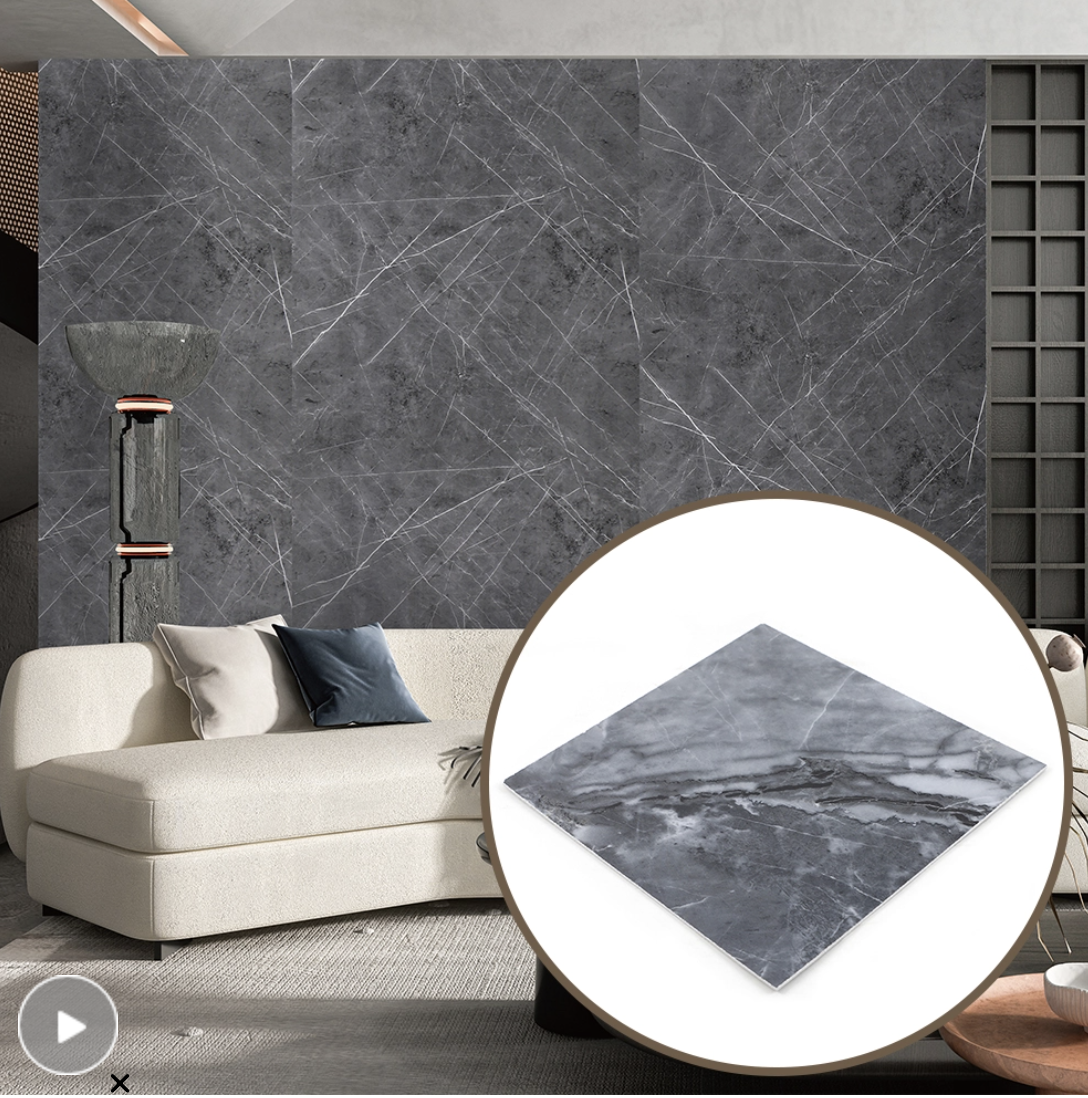
WPC wall panels come packed with features that make them ideal for both indoor and outdoor use:
● Water Resistance: Unlike traditional wood, WPC does not absorb water, preventing warping, swelling, or rotting.
● Durability: These panels resist scratches, dents, and impacts, making them long-lasting.
● Low Maintenance: They require minimal upkeep—no need for painting or sealing.
● Termite Resistance: WPC is not a food source for termites, reducing pest damage.
● Fire Retardant: Many WPC panels are treated to resist fire, enhancing safety.
● Aesthetic Variety: Available in various colors, textures, and finishes that mimic natural wood.
● Eco-Friendly: Made from recycled wood and plastic, WPC supports sustainable building practices.
Compared to traditional wood or other wall panel materials, WPC offers several benefits:
● Longevity: It lasts longer without fading, cracking, or peeling.
● Moisture and Weather Resistant: Ideal for humid or wet environments where wood would fail.
● Cost-Effective: Though initial costs may be higher, its durability reduces replacement and maintenance expenses.
● Ease of Installation: Lightweight and easy to handle, speeding up installation time.
● Versatility: Suitable for walls, ceilings, partitions, and even exterior cladding.
● Environmental Impact: Using recycled content reduces deforestation and plastic waste.
In summary, WPC wall panels combine the best of wood’s natural beauty and plastic’s strength. This makes them a smart choice for modern construction and renovation projects.
Tip: When selecting WPC panels, check for certifications that guarantee recycled content and fire resistance to ensure quality and safety for your projects.
Installing WPC wall panels requires specific tools to ensure precise cuts, secure attachment, and a smooth finish. Here are the essentials:
● Measuring Tape and Pencil: For accurate measurement and marking.
● Saw (Circular or Jigsaw): To cut panels to the required size.
● Power Drill and Drill Bits: For drilling holes and screwing panels onto walls.
● Screwdriver (Manual or Electric): To fasten screws securely.
● Level: To check that panels are installed straight.
● Rubber Mallet: Helps gently tap panels into place without damage.
● Utility Knife: For trimming edges or cutting smaller pieces.
● Adhesive Gun (if using adhesive): To apply panel adhesive evenly.
● Clamps: To hold panels steady during installation, if needed.
● Safety Glasses and Gloves: To protect eyes and hands while cutting and handling panels.
In addition to tools, gather these materials before starting:
● WPC Wall Panels: Select panels based on size, style, and finish.
● Screws or Nails: Use corrosion-resistant fasteners suitable for your wall type.
● Panel Adhesive (Optional): For extra bonding strength, especially on smooth or uneven surfaces.
● Backing Board or Furring Strips (if required): To create a flat surface for panel attachment.
● Sealant or Caulk: To seal edges and gaps for a finished look.
● Edge Trims or Molding: To cover panel edges and corners neatly.
Safety is crucial during installation. Follow these precautions:
● Wear Safety Glasses: Protect eyes from dust and debris when cutting panels.
● Use Gloves: Prevent splinters and protect hands from sharp edges.
● Ensure Proper Ventilation: When using adhesives or sealants, work in well-ventilated areas.
● Secure Work Area: Keep the workspace clean and free of obstacles to avoid trips and falls.
● Handle Power Tools Carefully: Follow manufacturer instructions and keep tools in good condition.
● Use Hearing Protection: If using loud tools for extended periods.
By preparing the right tools, materials, and safety gear, you set the stage for a smooth WPC wall panel installation. Proper preparation reduces errors, saves time, and ensures a quality finish.
Tip: Always double-check your tool and material list before starting to avoid delays and ensure a seamless installation process.

Before starting the installation of WPC wall panels, it's essential to measure the wall area accurately. Use a measuring tape to determine the height and width of the walls where the panels will be installed. Measure each wall separately and note down the dimensions. This ensures you purchase the right amount of panels and reduces waste. Remember to account for any doors, windows, or other openings by subtracting their dimensions from the total wall area. Accurate measurements help avoid costly mistakes during installation.
A clean, smooth surface is crucial for proper panel adhesion and a professional finish. Begin by removing any dust, dirt, grease, or loose paint from the wall using a damp cloth or mild detergent. If the wall has any cracks or holes, fill them with suitable filler and sand the area smooth once dry. For uneven or rough surfaces, consider installing a backing board or furring strips to create a flat base for the panels. This step prevents panels from warping or loosening over time.
Planning the panel layout before installation saves time and ensures a neat appearance. Start by deciding the panel orientation—vertical or horizontal—based on the room style and wall dimensions. Mark the starting point on the wall, usually a corner or a central line, to maintain symmetry. Dry-fit a few panels to check alignment and spacing, adjusting as needed to avoid narrow or awkward cuts at edges. Consider where trims or moldings will be placed to cover panel edges. Proper planning helps achieve a seamless look and reduces material wastage.
Tip: Use a chalk line to mark straight reference lines on the wall; it helps maintain panel alignment during installation and ensures a professional finish.
Start by measuring the wall sections where the panels will be installed. Use a measuring tape and pencil to mark the exact dimensions on each WPC panel. To cut the panels, use a circular saw or jigsaw fitted with a fine-toothed blade for clean edges. Always cut panels slightly smaller than the measured space to allow for expansion and contraction due to temperature changes. When cutting, wear safety glasses and gloves to protect yourself from dust and sharp edges. Smooth rough edges with sandpaper or a utility knife to ensure a neat fit.
Begin installation from the bottom corner of the wall, working your way up and across. If your wall surface is uneven, use furring strips or backing boards to create a flat base for secure attachment. Attach the first panel by aligning it carefully with your chalk line or marked reference point. Use corrosion-resistant screws or nails to fasten the panel, placing them along the panel’s edges and center at regular intervals (about every 12 to 16 inches). If you prefer, apply panel adhesive on the back for extra bonding strength, especially on smooth surfaces. Use a level frequently to keep panels straight and aligned.
Once panels are attached, secure any loose edges by gently tapping them with a rubber mallet to lock into place. Use edge trims or molding to cover exposed panel edges, corners, and joints for a polished look. Apply sealant or caulk along edges and gaps to prevent moisture penetration and improve aesthetics. For inside corners, use corner trims designed for WPC panels to maintain a clean finish. Inspect the entire wall to ensure all panels are firmly fixed and edges sealed.
Tip: When cutting panels, always measure twice and cut once to avoid material waste and ensure precise fitting during installation.
Uneven walls can cause WPC panels to fit poorly or become loose over time. To handle this, first check the wall for bumps, holes, or irregularities. Use a level to spot problem areas. If the surface is rough or uneven, install furring strips or a backing board to create a flat base. Attach these strips vertically or horizontally, depending on panel orientation. Secure them firmly to the wall using screws or nails. This step ensures panels have a stable surface to grip and helps prevent warping or gaps later.
If installing furring strips isn't possible, consider using a strong panel adhesive on the back of each panel for extra hold. Apply adhesive evenly and press panels firmly against the wall. Use clamps or temporary supports until the adhesive sets. This method works best on minor unevenness.
Loose panels can rattle or fall off, damaging your wall and panels. To fix loose panels, first identify the cause. Check if screws or nails have loosened or if adhesive has failed. Tighten fasteners using a screwdriver or drill. If fasteners stripped the panel holes, fill holes with wood filler or epoxy, then re-drill pilot holes before reinserting screws.
For panels attached with adhesive, remove the loose panel carefully, clean the surface and panel back, then reapply adhesive. Clamp the panel tightly until dry to ensure a strong bond.
If panels loosen repeatedly, inspect the wall surface and fastener type. Use corrosion-resistant screws suitable for your wall material and consider adding more fasteners for better support.
Gaps between WPC panels can spoil the look and let moisture or dirt in. Small gaps often happen due to expansion and contraction or uneven cuts. To fix these gaps:
● Use flexible sealant or caulk matching the panel color to fill gaps. Apply with a caulking gun, then smooth with a damp finger or tool.
● Install edge trims or molding to cover panel joints. These trims provide a clean finish and protect edges.
● For larger gaps caused by uneven cuts, remove the affected panels and recut them carefully. Measure twice, cut once.
● Consider adjusting panel layout during installation to minimize narrow or awkward cuts that create gaps.
Regularly inspect your panel joints and reseal or adjust as needed to maintain a seamless appearance.
Tip: When facing uneven walls, installing furring strips before paneling creates a durable, flat base that prevents future panel issues and simplifies maintenance.
Keeping your WPC wall panels clean helps maintain their appearance and durability. Use a soft cloth or sponge with mild soap and water to wipe the panels regularly. Avoid abrasive cleaners or harsh chemicals, as they can damage the surface. For stubborn stains, a gentle scrub with a soft brush works well. Rinse the panels thoroughly with clean water afterward to remove any soap residue. Dry the panels using a soft towel or allow them to air dry. Regular cleaning prevents dirt buildup and keeps the panels looking fresh.
Although WPC panels are durable, occasional damage like scratches, dents, or cracks may occur. For minor scratches, use a fine sandpaper to smooth the surface gently, then clean the area. Small dents can sometimes be fixed by applying gentle heat with a heat gun and pressing the panel back into shape carefully. For cracks or larger damage, replace the affected panel to maintain wall integrity. When removing damaged panels, take care not to harm adjacent panels or the wall base. Keep extra panels on hand from your original purchase to facilitate quick replacements.
To extend the life of your WPC wall panels, follow these maintenance tips:
● Inspect panels periodically for signs of damage, loose fittings, or gaps.
● Reapply sealant or caulk along edges and joints every few years to prevent moisture intrusion.
● Tighten screws or fasteners if panels become loose over time.
● Avoid exposing panels to excessive heat or direct flames to prevent warping or discoloration.
● Protect panels from sharp or heavy objects that could cause impact damage.
● If panels are installed outdoors, clean them more frequently to remove environmental debris like pollen, bird droppings, or dust.
By staying proactive with maintenance, you can preserve the beauty and functionality of your WPC wall panels for many years.
Tip: Schedule regular inspections and cleanings every six months to catch minor issues early and keep WPC panels looking their best.
The article guides you through installing WPC wall panels, emphasizing measuring, prepping, and securing panels for a perfect fit. WPC panels offer durability, water resistance, and eco-friendliness, making them ideal for home improvement. Consider using WPC panels from Demax for your next project, as they provide the perfect blend of aesthetics and functionality. Demax offers high-quality, eco-friendly panels that enhance any space with minimal maintenance, ensuring long-lasting beauty and performance.
A: The average WPC wall panel price varies based on size, design, and quality, but typically ranges from $20 to $50 per square meter.
A: To fix loose WPC panels, tighten screws, or reapply adhesive. If the panel holes are stripped, fill them with wood filler before reinserting screws.
A: WPC panels offer superior durability, water resistance, and low maintenance compared to traditional wood, making them ideal for various environments.
A: WPC panels are more durable and moisture-resistant than traditional wood and often more cost-effective over time due to reduced maintenance needs.


