


English
Views: 0 Author: Site Editor Publish Time: 2025-10-12 Origin: Site


Are you looking to transform your interiors with a stylish and sustainable solution? WPC wall panels might be the answer. These innovative panels combine the beauty of wood with the durability of plastic, offering endless design possibilities. In this post, you'll learn creative ways to use WPC wall panels in modern interiors, from living rooms to bedrooms, offices, and beyond.
WPC stands for Wood Plastic Composite. These wall panels combine natural wood fibers and plastic materials to create a durable, eco-friendly product. They mimic the look of real wood but offer enhanced resistance to moisture, insects, and rot. WPC panels come in various textures, colors, and finishes, allowing for versatile design options. Unlike traditional wood, they require less maintenance and are more sustainable since they often use recycled materials.

WPC wall panels bring several advantages to modern interiors:
Durability: Resistant to scratches, dents, and light moisture, they last longer than many traditional materials.
Low Maintenance: They don’t need frequent painting or sealing, saving time and costs.
Eco-Friendly: Many WPC panels use recycled plastics and wood fibers, reducing environmental impact.
Versatility: Available in numerous styles, they fit various interior themes, from rustic to contemporary.
Easy Installation: Lightweight and designed for simple mounting, they speed up renovation or construction projects.
Thermal and Acoustic Insulation: WPC panels can improve room comfort by reducing heat transfer and noise.
Because of these benefits, WPC panels are increasingly popular in homes, offices, and commercial spaces. They offer a modern look while addressing common problems like wear and tear and maintenance hassles.Tip: For commercial projects, choose WPC panels with fire-retardant properties to enhance safety and meet building codes.
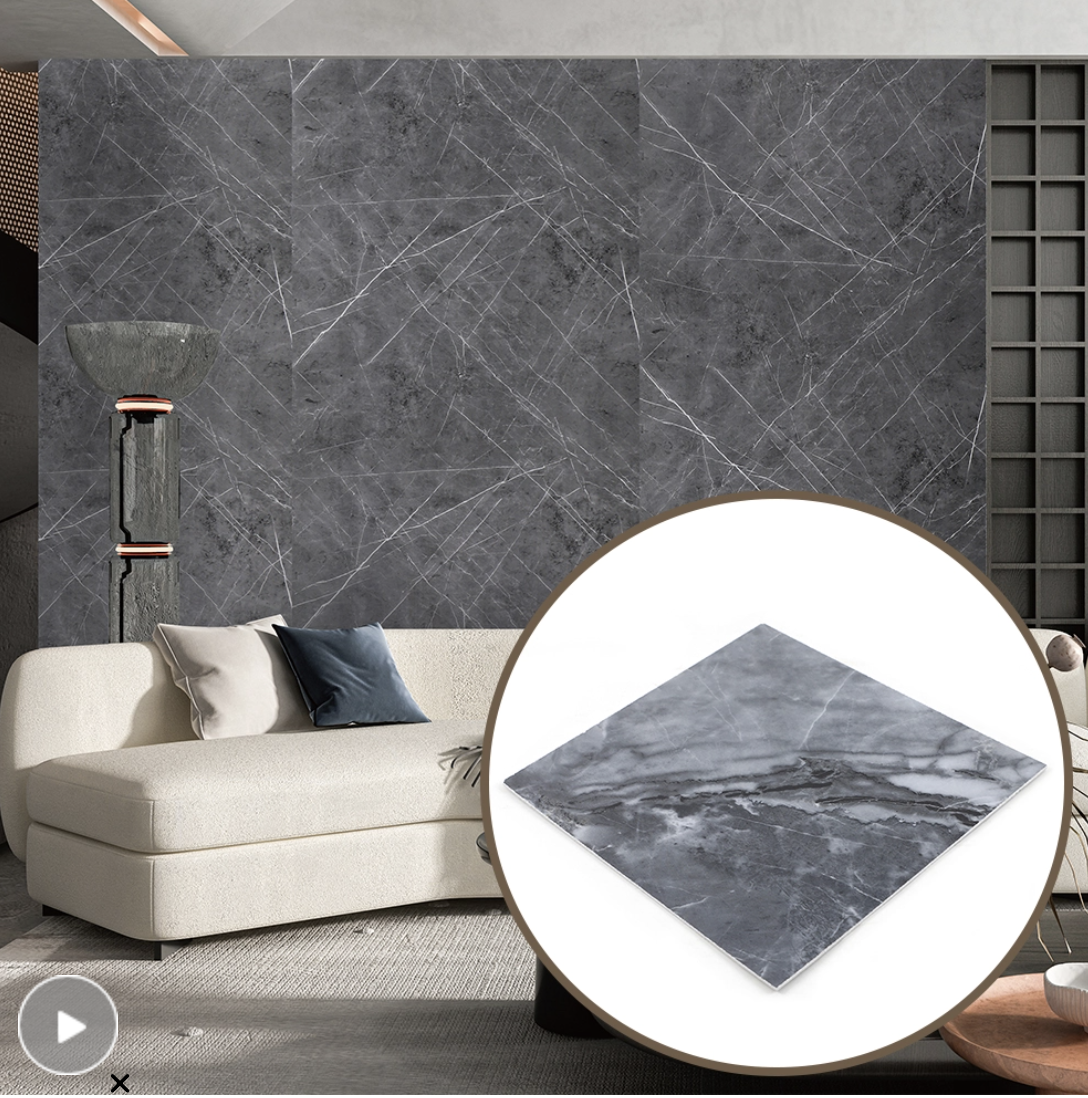
Accent walls create focal points that add character to living rooms. WPC wall panels offer a fantastic way to craft these features due to their rich textures and colors. You can choose panels that mimic natural wood grains for a warm, rustic look or opt for sleek, smooth finishes for a modern vibe. Installing WPC panels on one wall can instantly transform the space, making it feel cozy and inviting.For example, a living room with neutral furniture can benefit from a dark walnut WPC accent wall behind the sofa. This contrast highlights the seating area and adds depth. Alternatively, panels with geometric patterns or 3D textures can add a dynamic visual effect, making the room look more sophisticated.WPC panels also resist stains, so they maintain their appearance longer than traditional wood. This durability makes them perfect for homes with kids or pets, where walls often face wear and tear.
Modern furniture often features clean lines and minimalistic designs. WPC wall panels complement this style by providing a textured backdrop that enhances the furniture’s sleekness without overwhelming it. For instance, pairing matte-finished WPC panels in light hues with modern white or gray sofas creates a balanced and airy feel.You can also use WPC panels behind floating shelves or media units to add dimension. The panels’ subtle patterns or wood-like finishes bring warmth and prevent the space from feeling too clinical. Moreover, WPC panels can be cut and shaped to fit behind built-in furniture, offering a seamless and polished look.Combining WPC panels with metal or glass furniture elements creates a contrast that emphasizes modernity while keeping the room inviting. For example, a glass coffee table paired with a textured WPC paneled wall can merge industrial and natural aesthetics effectively.Tip: When designing living rooms, select WPC panels with finishes that complement your furniture’s color and style to create a cohesive and visually appealing space.
Beyond walls, WPC panels can elevate living room ceilings to create a cohesive design. Installing WPC panels on the ceiling adds texture and warmth, turning a plain ceiling into a statement feature. For vaulted or high ceilings, vertical WPC panel installation can emphasize height, while horizontal panels can make the room feel more spacious.You can mix panel finishes on the ceiling and walls for a layered look. For example, use smooth white WPC panels on the ceiling and textured wood-grain panels on one wall to tie the space together. Adding recessed lighting between ceiling panels enhances the ambient glow, creating a cozy and sophisticated atmosphere.
WPC wall panels offer a stylish, durable alternative for bedroom headboards. Their versatility lets you create designs ranging from sleek and modern to warm and rustic. For example, installing horizontally laid WPC panels behind the bed can provide a clean, linear look that complements minimalist decor. Alternatively, vertical panels with textured finishes add height and visual interest, making the headboard a focal point.You can choose panels that mimic natural wood grains or opt for painted finishes in soft colors to match your bedroom palette. Because WPC resists scratches, it stays looking fresh longer than traditional wood, ideal for long-term use. Some designers integrate LED strip lighting behind or above the WPC headboard to create ambient lighting that enhances the cozy feel.For a unique touch, consider combining WPC panels with upholstered sections. This mix of hard and soft surfaces adds depth and comfort while keeping maintenance low. The panels can be cut to size, making it easy to fit them perfectly behind beds of any dimension.
WPC wall panels contribute to a warm, inviting bedroom atmosphere. Their wood-like textures naturally evoke comfort and coziness, making the space feel more restful. Installing WPC panels on one or more walls softens the room’s acoustics, reducing echo and creating a quieter environment.Layering different panel finishes or colors can add subtle complexity without overwhelming the senses. For example, pairing matte-finish WPC panels with glossy accent strips introduces contrast and catches the eye gently. This technique works well behind bedside tables or reading nooks.Because WPC panels are easy to clean and maintain, they suit bedrooms where dust might be a concern. They also provide thermal insulation benefits, helping to regulate room temperature and keep the bedroom comfortable year-round.Using WPC panels in bedrooms supports sustainable design goals, as many panels contain recycled materials. This eco-conscious choice aligns with modern interior trends focused on health and environmental responsibility.
WPC panels can be customized into stylish closet doors, adding both functionality and aesthetics to bedrooms. Sliding closet doors made from WPC panels save space while featuring unique textures or patterns that complement the room’s decor. For example, frosted WPC panels with wood grain details add privacy while allowing soft light to filter into the closet.Hinged WPC closet doors can be designed with panel insets or carved details for a more elegant look. The durability of WPC ensures the doors withstand frequent opening and closing without warping or scratching. Additionally, WPC’s low-maintenance nature means the closet doors stay looking new with minimal upkeep.
Home offices and study rooms benefit from WPC wall panels’ acoustic insulation properties, which reduce external noise and create a focused environment. Installing WPC panels on the wall behind the desk minimizes distractions, helping you stay productive during work or study sessions.Choose neutral-toned WPC panels with subtle textures to create a calm, professional atmosphere. For example, light oak WPC panels paired with white trim and minimal decor foster clarity and concentration. You can also add a small accent wall with darker WPC panels to define the workspace without making the room feel cramped.WPC panels’ durability makes them ideal for home offices with heavy use, as they resist scratches from furniture or equipment. Their easy-to-clean surface also allows for quick maintenance between busy workdays.
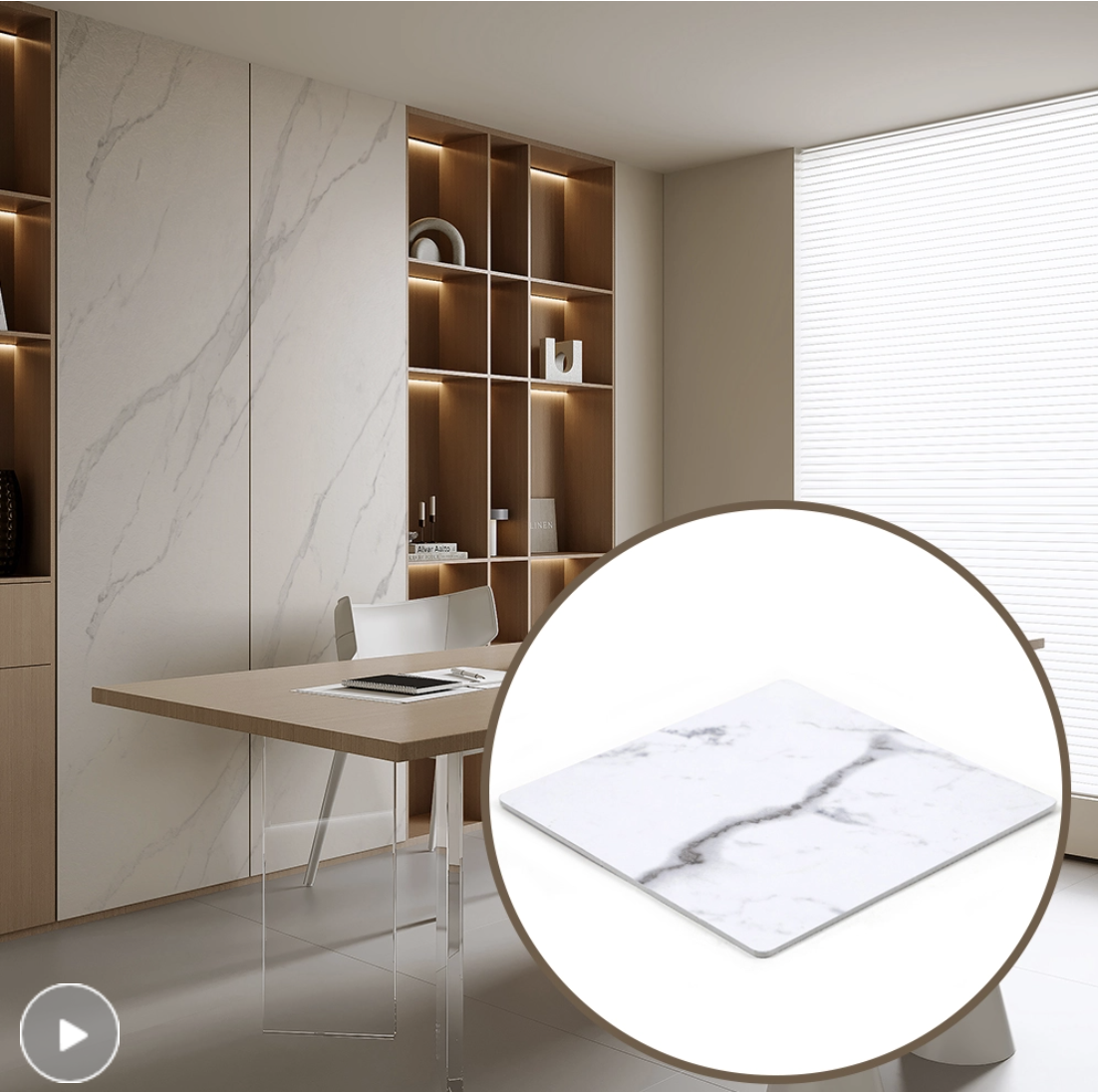
Integrate WPC panels into built-in shelving units or desk backdrops to create a seamless, polished look in home offices. The panels can be cut to fit the exact dimensions of the shelving, providing a cohesive backdrop for books, files, and decor. Textured WPC panels add visual interest to open shelving, making displayed items stand out.For desk backdrops, install WPC panels that extend slightly above the desk height to create a defined workspace. Adding LED lighting along the top edge of the paneling enhances visibility and adds a modern touch. WPC panels can also be combined with cable management systems to hide wires, keeping the desk area organized and clutter-free.
WPC wall panels offer a smart solution to elevate office interiors. Their sleek, wood-like appearance brings warmth and professionalism to workspaces. Installing WPC panels in reception areas, conference rooms, or executive offices creates a polished, inviting atmosphere. The panels' durability withstands daily wear, while their resistance to light moisture helps maintain a fresh look in busy environments.Designers often use WPC panels to create feature walls behind reception desks or in waiting lounges. These accent walls can incorporate subtle textures or patterns that reflect the company’s brand identity. For example, a tech firm might opt for modern, smooth-finish panels in cool tones to convey innovation. Meanwhile, a law office could choose classic wood-grain panels for a timeless, trustworthy vibe.WPC panels also help improve office acoustics by reducing echo and noise. This feature enhances employee comfort and concentration, especially in open-plan layouts. Their easy maintenance means offices remain attractive without frequent touch-ups, saving time and costs.
Retail spaces benefit greatly from WPC wall panels. They provide an elegant backdrop that highlights products without distraction. Stores can use panels to define zones, such as display walls or fitting rooms, adding structure and style.The versatility of WPC panels allows retailers to match different themes. For instance, a boutique might choose rustic wood-look panels to create a cozy, artisanal feel. A high-end fashion outlet could use glossy, dark panels for a luxurious ambiance. The panels’ scratch resistance withstands heavy foot traffic and frequent cleaning, keeping the store looking pristine.Retailers can also integrate WPC panels with shelving and signage for a cohesive design. Custom-cut panels fit perfectly around fixtures, creating a seamless look. Additionally, WPC’s acoustic benefits reduce noise from crowds and music, improving the shopping experience.Tip: For commercial interiors, select fire-retardant WPC panels to comply with safety standards and protect both employees and customers.
Before installing WPC wall panels, ensure the wall surface is clean, dry, and smooth. Remove any dust, dirt, grease, or loose paint that might prevent proper adhesion or mounting. If the wall has cracks or holes, fill and sand them until even. Uneven surfaces can cause panels to warp or not fit tightly.Check for moisture problems, especially in basements or ground-floor rooms. WPC panels resist moisture but won’t perform well if the wall itself has dampness or leaks. Use a moisture barrier or primer if needed to protect the wall and improve panel adhesion.Measure the wall dimensions carefully and plan panel layout to avoid awkward cuts or gaps. Mark studs or mounting points on the wall, as panels often need to be nailed or screwed into these for secure fixing. If installing over drywall or plaster, consider using furring strips to create a level base and allow airflow behind the panels, preventing mold or mildew.
Gather Tools and Materials: You’ll need a measuring tape, pencil, level, saw (circular or jigsaw), drill or hammer, screws or nails, adhesive (optional), and safety gear like gloves and goggles.
Cut Panels to Size: Measure and cut WPC panels to fit your wall dimensions. Use a fine-tooth saw blade for clean edges. Double-check measurements before cutting.
Start from a Corner: Begin installing panels at a corner or edge, ensuring they are level and plumb. Use a spirit level frequently to maintain alignment.
Attach Panels: Depending on the panel design, fix them to the wall by nailing or screwing into studs or furring strips. Some panels feature tongue-and-groove edges for a seamless fit. For extra strength, apply construction adhesive on the back before mounting.
Maintain Expansion Gaps: Leave a small gap (about 3-5mm) between panels and around edges to allow for expansion and contraction due to temperature changes. Cover these gaps later with trim or molding.
Continue Installation: Work your way across the wall, fitting panels tightly into each other. Use a tapping block and rubber mallet to secure tongue-and-groove joints without damaging the panels.
Finish Edges: Use corner trims, baseboards, or molding to cover exposed edges and gaps. This step gives a polished look and protects panel edges.
Clean Up: Wipe panels with a damp cloth to remove dust or adhesive residue. Avoid harsh chemicals that could damage the panel finish.
Tip: When installing WPC panels in enclosed rooms, ensure proper ventilation behind panels to prevent moisture buildup and prolong panel life.
WPC wall panels offer creative solutions for modern interiors through accent walls, headboard designs, home office paneling, and retail space enhancements. These panels enhance aesthetics while providing durability and low maintenance. Their versatility in textures and colors allows seamless integration with various styles, making them ideal for both residential and commercial spaces. Demax's WPC panels stand out with their eco-friendly composition and easy installation, providing lasting value and elevating interior design.
A: WPC wall panel installation involves mounting Wood Plastic Composite panels on walls to enhance interior aesthetics and durability. These panels offer easy installation, moisture resistance, and a variety of design options.
A: WPC wall panel installation provides benefits such as enhanced durability, low maintenance, and aesthetic versatility, making them ideal for modern interiors by offering a stylish and practical wall solution.
A: WPC wall panels offer superior moisture resistance, durability, and low maintenance compared to traditional wood, making them a more sustainable and long-lasting choice for both interiors and exteriors.
A: Yes, WPC wall panel installation is ideal for kitchens and bathrooms due to their water resistance and easy-to-clean surfaces, preventing moisture damage and maintaining hygiene.
A: WPC wall panel installation is cost-effective for commercial spaces as they offer durability, easy maintenance, and enhanced aesthetics, reducing long-term renovation and upkeep costs.


